
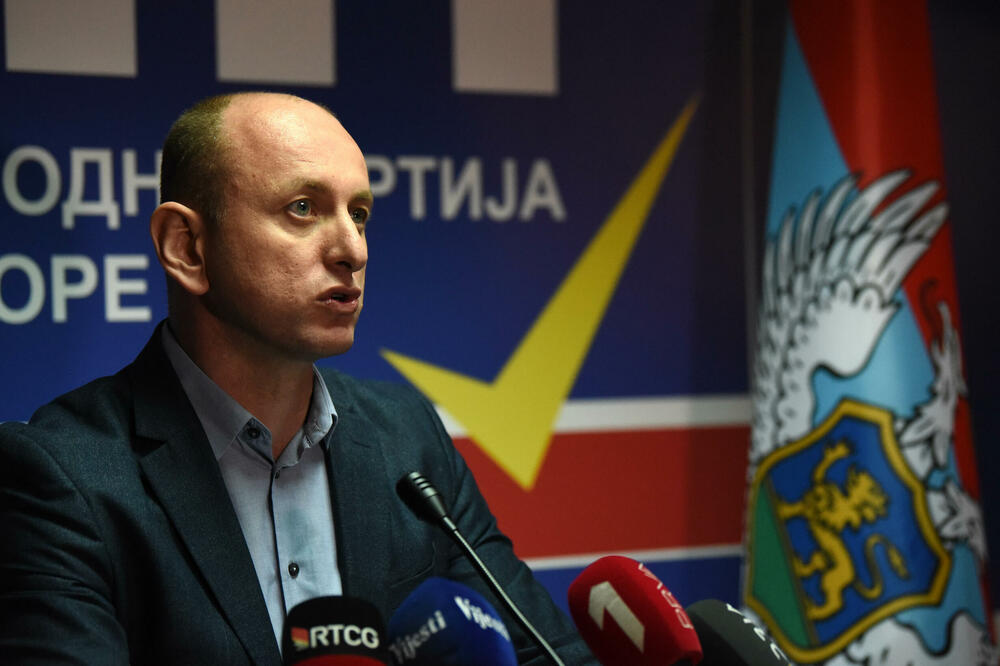
The leader of the Democratic People's Party (DNP), Milan Knezevic, has announced the launch of an initiative to withdraw Montenegro's decision to recognize Kosovo, a move that analysts see as a continuation of his party's traditional policies, but also as an attempt to mobilize the electorate ahead of the upcoming parliamentary elections.
Knezevic stated that the Presidency of the DNP has given him full support to initiate procedures at the local and state level to request the withdrawal of the 2008 decision to recognize Kosovo.
According to him, DNP advisors will present initiatives in municipalities where this party is part of the government, while MPs will seek the adoption of a resolution in the Parliament of Montenegro.
He also criticized the government's foreign policy, describing it as "hostile to Serbia and the Serbian people," while announcing that he would seek the support of the leaders of the Serbian Orthodox Church in Montenegro for this initiative.
However, experts assess that the initiative has more of a political character than a real possibility for institutional success.
Lecturer at the University of Donja Gorica, Nikoleta Djukanovic, told the newspaper "Vijesti" that Knezevic's action is not surprising, as the DNP has consistently opposed the recognition of Kosovo.
"In a way, this is a continuation of their policies, but also an attempt to mobilize the electorate on the eve of the elections. Knezevic himself is aware that such an initiative is unlikely to succeed in the institutions and can be seen more as a political message to his voters," said Djukanovic.
She emphasized that the recognition of Kosovo is part of Montenegro's foreign policy and international obligations, which cannot be changed through daily political initiatives.
The director of the Center for Investigative Journalism of Montenegro, Milka Tadić Mijović, also expressed the same opinion, assessing that Knezeviđ is returning to the Kosovo issue due to the lack of political alternatives.
"He has no serious proposals for the economy, education, health or the environment. For this reason, he continues to return to identity themes and the Kosovo issue," declared Tadić Mijović.
According to her, even voters with a strong pro-Serbian orientation are aware that this is a topic that does not bring concrete changes to their lives and that the initiative mainly aims at political mobilization before next year's elections.
A legal expert, quoted by "Vijesti", assessed that any possible decision by municipalities to "cancel" the recognition of Kosovo would be purely declarative in nature and would not produce legal consequences, since the recognition of states is the exclusive competence of the central government.
This is not the first time that the DNP and the former Democratic Front have attempted to raise this issue. In 2023, they announced the adoption of a similar declaration in the Zeta Municipal Assembly, but the initiative failed after a quorum was not secured in several consecutive sessions.
Montenegro officially recognized Kosovo on October 9, 2008, during the government of Milo Djukanovic. The decision sparked widespread protests in the country, with one of the most vocal opponents being the current speaker of the Montenegrin Parliament, Andrija Mandic, who then went on a hunger strike in protest against the recognition of Kosovo.
The GeoPost
 Palmer warns of Russian influence in the Balkans: Delaying EU and NATO integration leaves the region vulnerable
  Indictment filed against Fatmir Sheholli for espionage and blackmail
  Margetić: Aleksandar Vučić killed civilians during the siege of Sarajevo
 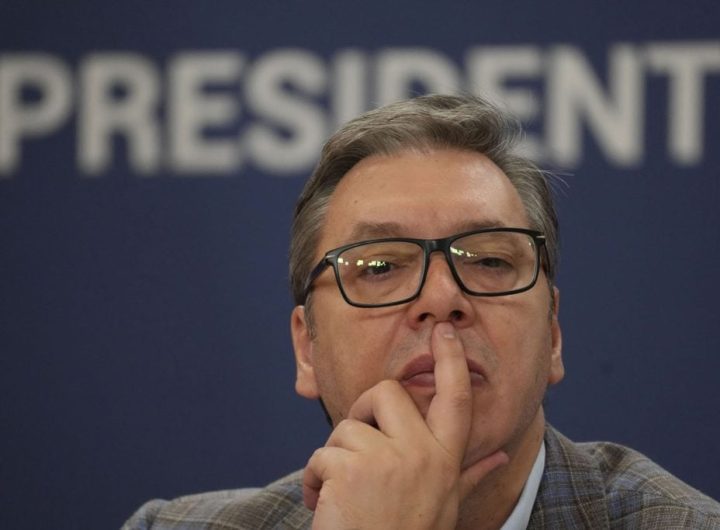 The elections that scare Vučić: Promises to voters, destabilizing scenarios behind the ballot boxes
 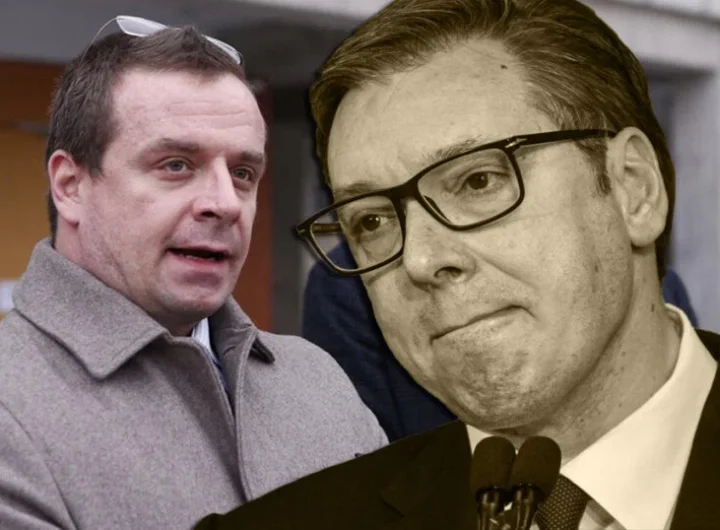 From "Politika" to pro-Russian propaganda, Stojkovic: How Vučić took control of the media and oriented Serbia towards the Kremlin
 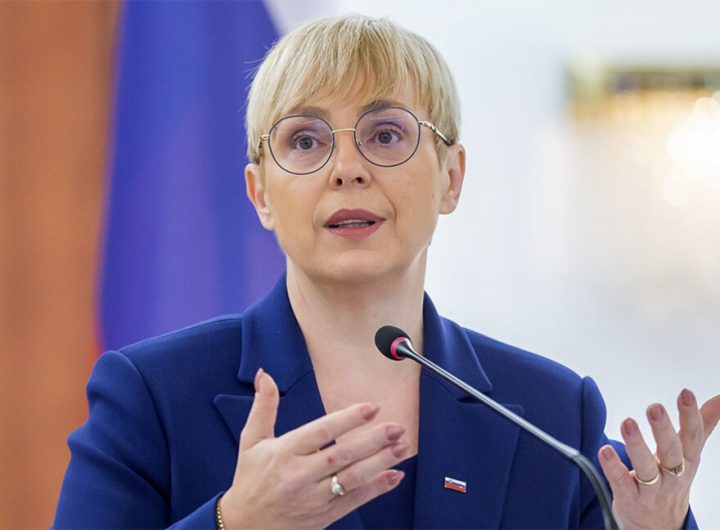 Slovenia on alert over Russian influence: President faces accusations of ties to Russia