
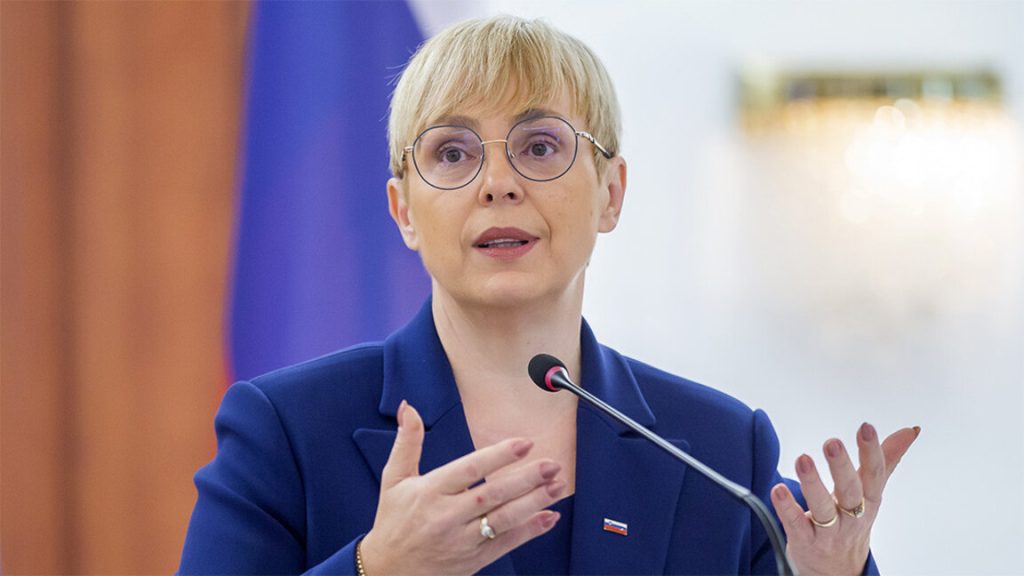
A strong political and institutional debate has erupted in Slovenia over President Natasa Pirc Musar, following reports of connections between people from her close circle and individuals suspected of having contacts with Russia.
The issue received increased attention after a car accident, in which, according to Slovenian media reports, a Russian friend of the president was also in the vehicle.
The focus of the debate has been this woman's ties to a former Slovenian intelligence officer, who fled to Russia during the 90s.
The developments have already reached the parliamentary level. The Slovenian parliamentary committee on security has requested information from intelligence services, in order to assess whether there is a potential risk of Russian influence through people close to the president.
Pirc Musar's trips to Russia have also received special attention. According to media reports, the Slovenian president has visited Moscow and St. Petersburg several times, with one of these trips taking place just months before the start of the full-scale Russian invasion of Ukraine in February 2022.
The opposition has demanded that the authorities conduct a more in-depth assessment of the circumstances.
The opposition SDS party has called for stronger measures, including reviewing the president's access to classified intelligence information until security clearances are complete.
However, so far no evidence has been made public that President Pirc Musar has collaborated with Russian services or acted in Moscow's interests.
The Slovenian Intelligence and Security Service, SOVA, has stated that a previous verification of the person mentioned in this case had not revealed circumstances that would pose a threat to national security.
Despite this, the case has opened a broader debate in Slovenia about the security of the highest state institutions and the risk of foreign influence, especially at a time when Russia is facing ongoing accusations of influence operations and political interference in European countries.
For now, the political debate in Ljubljana remains focused on one key question: whether the personal relationships of senior officials and their inner circle can create vulnerabilities for state institutions, even in the absence of evidence of direct cooperation with a foreign state.
The GeoPost
 The elections that scare Vučić: Promises to voters, destabilizing scenarios behind the ballot boxes
  From "Politika" to pro-Russian propaganda, Stojkovic: How Vučić took control of the media and oriented Serbia towards the Kremlin
  From Milosevic's propaganda to Vučić's politics: Is the same scenario returning?
 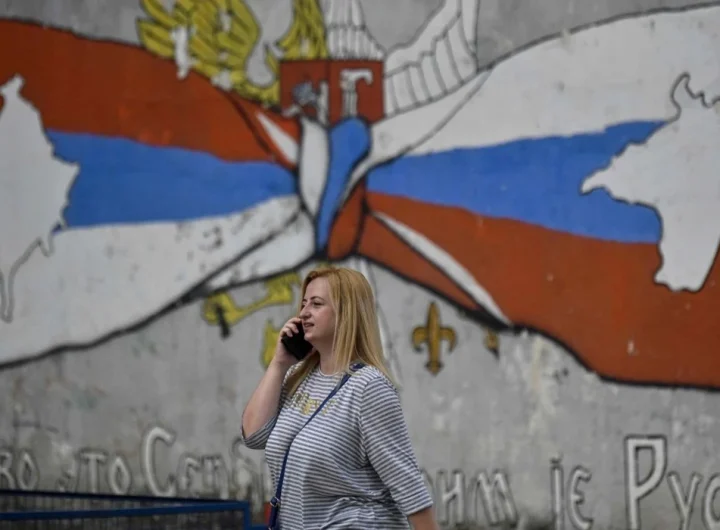 Serbia and Russia increase propaganda for Kosovo, experts: The goal is control over the Serbian community
 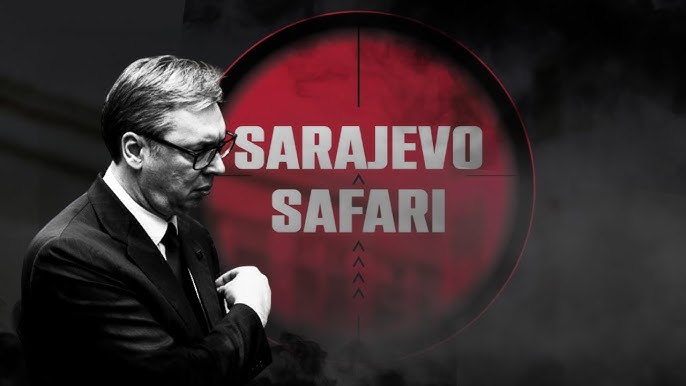 Croatian journalist publishes secret dossier of former Bosnian secret service chief on Vučić's role in "Sarajevo Safari"
 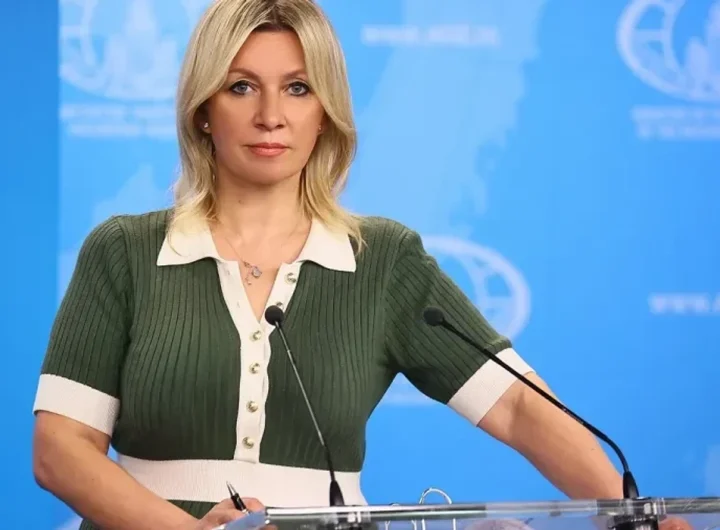 Kremlin repeats Belgrade's narratives, Zakharova accuses the West of inciting "ethnic cleansing" of Kosovo