

The European Parliament has appointed seven members of a delegation that will observe the early parliamentary elections in Serbia on behalf of this institution.
As confirmed by the Parliament, the delegation will include two MEPs from the largest group, the European People's Party (EPP), of which the Serbian Progressive Party (SNS) is an associate member, and one each from the European Social Democrats, Liberals, Greens, Conservatives and Reformists, as well as one from the far-right Patriots for Europe.
According to REL, Andreas Schider from the Social Democrats was elected as the head of the delegation. He was also a member of the delegation in the 2023 elections.
Other members of the delegation are Suncana Glavak and Gordan Bosanac from Croatia, Ingeborg ter Lak from the Netherlands, Tamás Dec from Hungary, Kosma Zlotowski from Poland and Helmut Brandstetter from Austria.
Šider refused to comment to REL on the political situation in Serbia, stating that as an observer he must remain impartial until the final press conference after the elections.
Orban's ally in the delegation
Among the members of the delegation is Tamás Dec, one of the founders of Fidesz, the party of former Hungarian Prime Minister Viktor Orban, who was close to former Serbian President Aleksandar Vučić, now a candidate for prime minister.
Dec heads the party's delegation in Brussels. He is considered one of the party's most prominent and longest-serving figures and a staunch ally of Orban, staunchly supporting his policies and defending the party from criticism from the EU.
Dec belongs to the Patriots for Europe group, a right-wing populist and national-conservative alliance that advocates the defense of national sovereignty against EU centralization. The group was founded by prominent European right-wing leaders such as Orbán and Andrej Babis, and is led by Jordan Bardella of Marine Le Pen's National Rally (formerly the National Front). The group supports Euroscepticism and consistently anti-federalist principles.
Last minute call
The European Parliament has officially confirmed that it has received an invitation from the Serbian authorities to send an observation mission to the early parliamentary elections, scheduled for October 25.
The invitation was made on 10 October by the acting President of Serbia, Ana Brnabić. The official deadline for the invitation expired on 8 October, when the Conference of Presidents, which brings together the President of the European Parliament and the leaders of the political groups, was in session. However, the Parliament was prepared to wait until 12 October, and in the meantime the Conference agreed that preparations for the mission should start in parallel.
How does the observation mission work?
The European Parliament delegation is part of the International Election Observation Mission, led by the OSCE Office for Democratic Institutions and Human Rights (ODIHR). The mission's findings are presented in a joint preliminary statement at a press conference the day after the elections.
Members of the delegation pledge their impartiality. The European Parliament has adopted an International Code of Conduct for election observers, according to which observers must always be politically impartial and respect the integrity of the international mission. Members of the delegation also sign a separate Code of Conduct for members of European Parliament observation delegations.
However, in practice it happened that individual members of the delegation did not fully share the mission's assessments.
The European Parliament observed the last elections in Serbia in December 2023, also during the early parliamentary elections. At that time, the delegation consisted of five members of parliament and also acted as part of an international observation mission led by the OSCE/ODIHR.
The delegation usually meets with representatives of the international observation mission, electoral authorities, candidates, civil society and the media in the days leading up to the elections. On election day, the deputies observe the opening of polling stations, voting, closing and counting of votes, and may also observe the transfer of ballot boxes to the results processing centers. They then present their findings and conclusions./REL
 NATO is much more powerful than Russia – says US general
 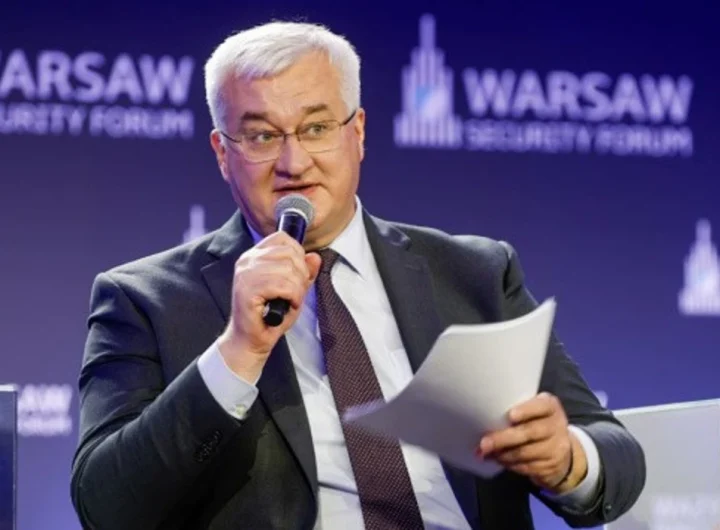 Ukraine receives confirmation of new aid packages from at least five countries
 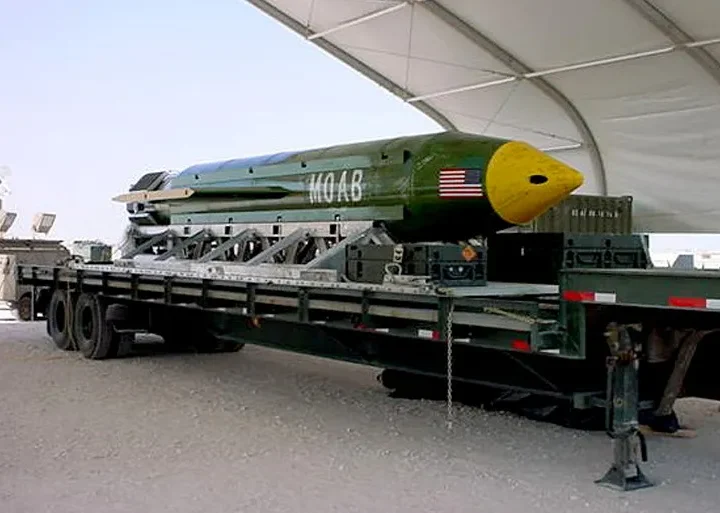 What could the US use on Iran, called the "Mother of All Bombs"?
 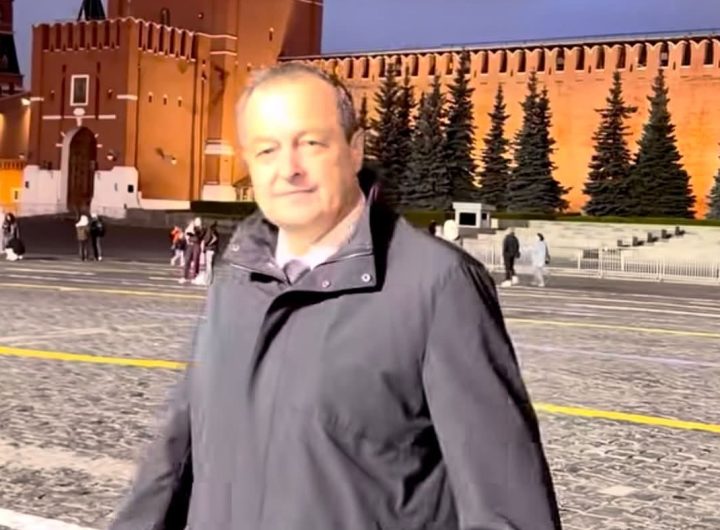 Security expert: Serbia is a small Russia, Balkan security threatened by Russian influence
  Bieber dismantles Vučić's regime: His power rests on corruption and ties to organized crime
  Ukraine to resume attacks on Russian oil refineries, Zelensky says