

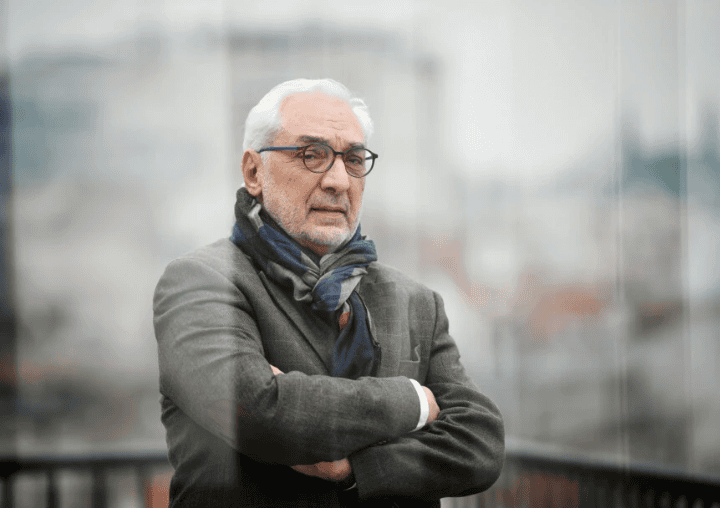
Boris Varga photo Privatna arhiva
Serbia is using Russia's aggression against Ukraine to revive the idea of a Greater Serbia, political analyst Boris Varga has said.
"The war in Ukraine has awakened revanchist sentiments not only in Serbia, but also in all republics where the idea of a Greater Serbia existed and was defeated in the late 1990s, i.e. in Bosnia and Herzegovina, Montenegro and Kosovo. Even before the aggression against Ukraine, the idea of a Greater Serbia was transformed into the idea of a 'Serbo-Russian world' through Russian moderation," Varga told the Vojvodina-based Autonomija portal.
He assessed that Russia cannot cause a war in the Western Balkans similar to that of the last decade of the 20th century due to, as he said, "the destruction of Serbia's military potential by NATO."
"But Moscow can still create obstacles and provoke crises because the Serbian world is being offered to Russia, seeing the model of the Ukrainian war as a potential opportunity and revenge for previously lost wars. The renewed idea of a Greater Serbia sees in Putin's war in Ukraine a model of a solution for the Serbian issue as well," Varga said.
He added that since the beginning of the war in Ukraine, Serbia has been seen in the world as a "pro-Putin state", which is a very bad reputation for European integration.
"In the West, a photo of a right-wing party with Russian flags, portraits of Putin and the symbol of occupation – the letter Z – was published. The civilized world was shocked and it was clear that Serbia had not come to terms with its recent past, with its war crimes, and that it was not ready for EU membership," Varga said.
He added that no one wants to see Serbia isolated again, as the experience of the 1990s has been bitter and painful for all parties.
"This means, most likely, the Turkish model of European integration for a long time - the wedding guests are here, but there is no wedding. This model could also await Ukraine, Moldova and Georgia," Varga said.
Serbian President Aleksandar Vučić, he said, is using the Kosovo issue and his relations with Russia as a cover for "hot-cold" negotiations with the West, but also to strengthen the autocracy in Serbia.
 Bosnia and Herzegovina bans entry to Milan Radoić: National security threat declared due to terrorist attack in Banjska
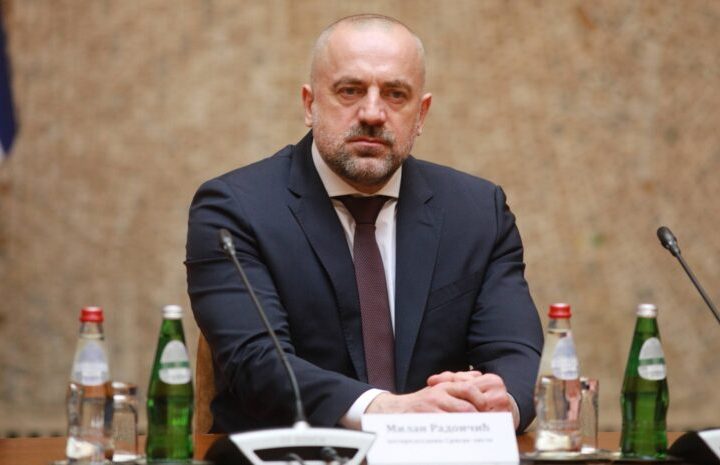 Belgrade court issues arrest warrant for Milan Radoicic
 Selimi: The influence of Russian media in the Balkans is greater than ever
 Serbian Minister in Moscow: We are not giving up on Kosovo, partnership with Russia and China remains strategic
 REM fines Informer and B92 televisions: Shows and advertisements banned, six people arrested for threats against journalist
 Serbian lawyer: BIA files could shock Serbia, from Ivanovic's murder to the service's ties to power