

MAIN POINTS
As Europe turns its attention to the ongoing war between Russia and Ukraine, peace and stability are far from guaranteed in another of the region's most volatile conflict zones, a senior EU diplomat has said.
Relations between Serbia and Kosovo, tense since the brutal conflict between the two countries in the 1990s, remain "fragile" despite an agreement on a new path towards normalization, according to Miroslav Lajcak.
The agreement marked a major step forward for the old adversaries, but was later marred by a resurgence of violence.
DAVOS, SWITZERLAND – As Europe's attention turns to the ongoing war between Russia and Ukraine, peace and stability in another of the region's most volatile conflict zones are far from guaranteed, according to a senior EU diplomat.
Relations between Serbia and Kosovo, strained since the brutal conflict between the two countries in the 1990s, remain difficult a year after a tentative agreement on a new path towards normalization.
“Stability is fragile. We cannot take peace and stability for granted,” Miroslav Lajcak, the EU’s special representative for the Belgrade-Pristina dialogue and the Western Balkans, told CNBC in Davos last month.
The Belgrade-Pristina Dialogue is a series of talks mediated by the European Union aimed at reducing hostilities between neighboring countries in Southeast Europe.
In February 2023, Serbia and Kosovo agreed on a path toward normalization, marking a major step forward for the longtime adversaries, whose decades-long friction has centered on territorial disputes and ethnic divisions.
However, this progress was later undermined by a resurgence of violence in northern Kosovo, including a deadly shootout between a heavily armed group of ethnic Serbs and Kosovo police special forces in the village of Banjska.
There is no way back.
The north of Kosovo is majority Serb and is therefore claimed by Belgrade as its southern province. Kosovo as a whole, however, is 93% ethnic Albanian and Pristina declared independence in 2008.
The long-running conflict between the two countries has left Europe deeply divided about the future. Several EU members – Spain, Slovakia, Cyprus, Romania and Greece – and other non-EU neighbors oppose Kosovo's claim to independence.
However, Lajcak said the normalization agreement had moved the situation forward “like never before,” noting that the focus was now on implementation. Normalization measures include developing “normal, good-neighborly relations” and refraining from “the threat or use of force” in future disputes.
“There is no turning back,” he said. “There is no way out of these agreements because these agreements are accepted by both sides.”
Both the EU and the US are very interested in normalizing relations between Serbia and Kosovo, even as they face other rapidly developing international conflicts between Israel and Hamas and Russia and Ukraine.
But the clock is ticking. With elections in the European Parliament this summer and in the US later in the year, progress in normalization talks will be crucial before the issue is abandoned.
"What starts before the EU and US elections will continue throughout the electoral process," Lajcak said. "But if it doesn't start before, I doubt it will start afterwards."
Resistance is more likely to come from the respective leaders of Serbia and Kosovo, President Aleksandar Vučić and Prime Minister Albin Kurti, who have a nationalist base to appease at home.
There is a lot at stake for both sides. According to Lajcak, as Serbia and Kosovo are seeking EU membership, this could be an incentive for the EU to promote peace between the two countries.
Serbia is currently in the midst of EU accession talks after being granted candidate status in 2012, while Kosovo has potential candidate status, although both countries need major reforms to join the bloc.
"The success of the normalization process will also depend on how directly and closely they are linked to Kosovo's and Serbia's path to the EU," Lajcak said. "This is the strongest lever we have."/cnbc/
 Bosnia and Herzegovina bans entry to Milan Radoić: National security threat declared due to terrorist attack in Banjska
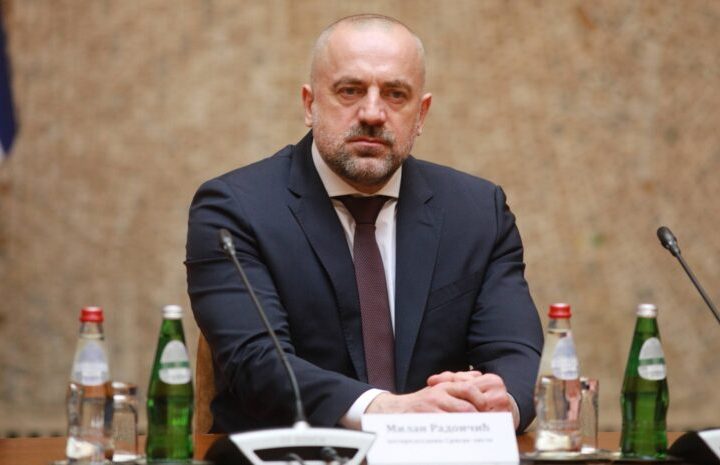 Belgrade court issues arrest warrant for Milan Radoicic
 Selimi: The influence of Russian media in the Balkans is greater than ever
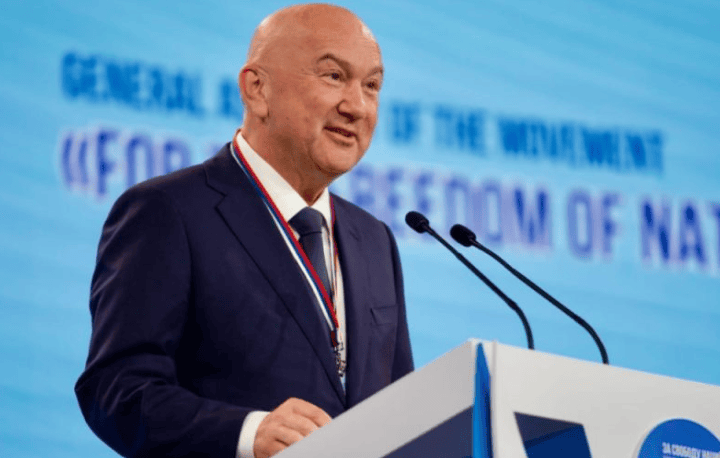 Serbian Minister in Moscow: We are not giving up on Kosovo, partnership with Russia and China remains strategic
 REM fines Informer and B92 televisions: Shows and advertisements banned, six people arrested for threats against journalist
 Serbian lawyer: BIA files could shock Serbia, from Ivanovic's murder to the service's ties to power