

The representative of Bosnia's tripartite presidency, Zhelko Komšić, sent a letter to the highest officials of the European Commission, asking them to "consider the possibility of granting the status of candidate country to Bosnia-Herzegovina".
Letter addressed to the president of the EU Council, Charles Michel, the president of the European Commission, Ursula von der Leyen, the head of the EU's foreign policy, Josep Borrell and the EU Commissioner for Neighborhood and Enlargement, Oliver Varhelyi, originally refers to the occupation of Ukraine by Russia.
"Now more than ever, European unity is needed and a clear signal that the Western Balkans are part of Europe, while the countries that make it up will be undisputed members of the EU in the future," Komsic wrote in the letter.
He added that the vision of Bosnia in the EU is based on the Foreign Policy Strategy of this country.
Komsic also recalled that the European Commission has set 14 conditions that would bring Bosnia closer to the European bloc.
"A part of the key conditions has been fulfilled, while unfortunately a part is not, but if we consider that granting the status of a candidate country to Bosnia would create a new environment and give another confirmation of indivisibility and sovereignty of my country, then of course there would be some positive effects on the security and stability of Bosnia, but also of the general region of the Western Balkans", said Komšić.
The conditions that Bosnia must fulfill are mainly related to the functioning of institutions and the rule of law.
Bosnia has only signed the Stabilization-Association Agreement with the EU, which is the first step towards membership in the bloc.
After the outbreak of the war in Ukraine, the head of the EU's Foreign Policy, Josep Borrell, has expressed concern that the crisis caused by this conflict may spread to the Western Balkans.
Previously, Borrell said that the situation in Bosnia "is more disturbing" than ever.
Attempts to divide this country have been made by the leader of the Bosnian Serbs, Milorad Dodik, who is also a member of the tripartite presidency.
Moscow's attack on Ukraine began in the early hours of February 24.
Russian President Vladimir Putin has ordered a "special operation" to demilitarize Ukraine.
The Kremlin action has sparked outrage and been condemned in many parts of the world.
The United States and its allies have responded with tough sanctions against Moscow.
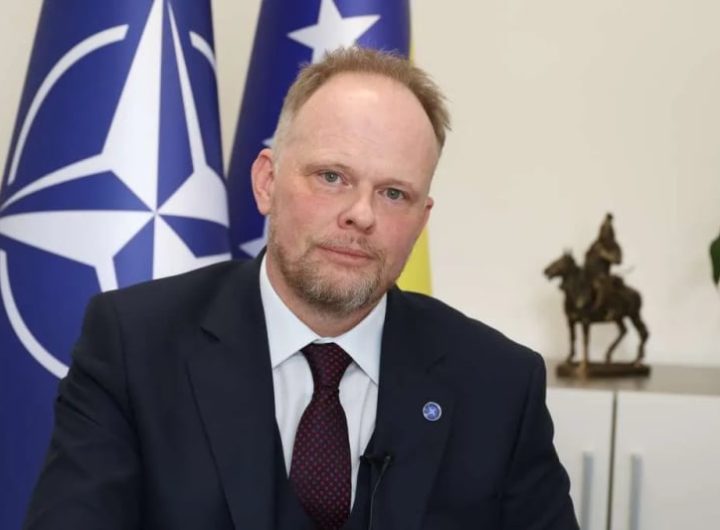 Ambassador Hamilton: Russia is using disinformation to destabilize the Balkans
 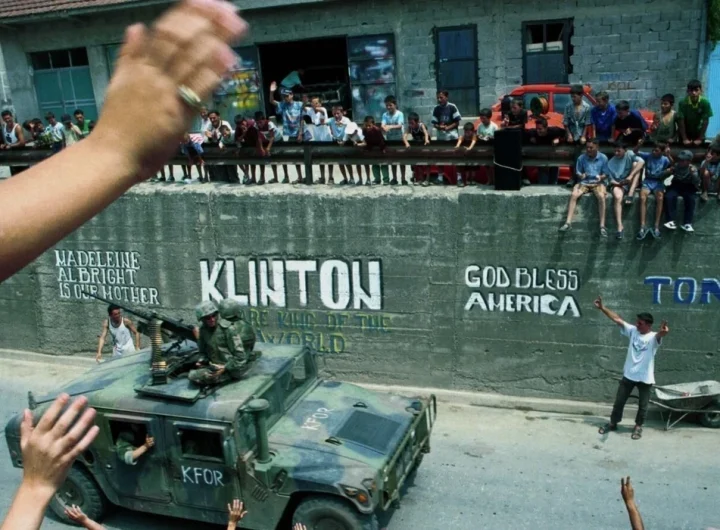 The Iran issue, how did American presidents act in previous wars for congressional authorization?
 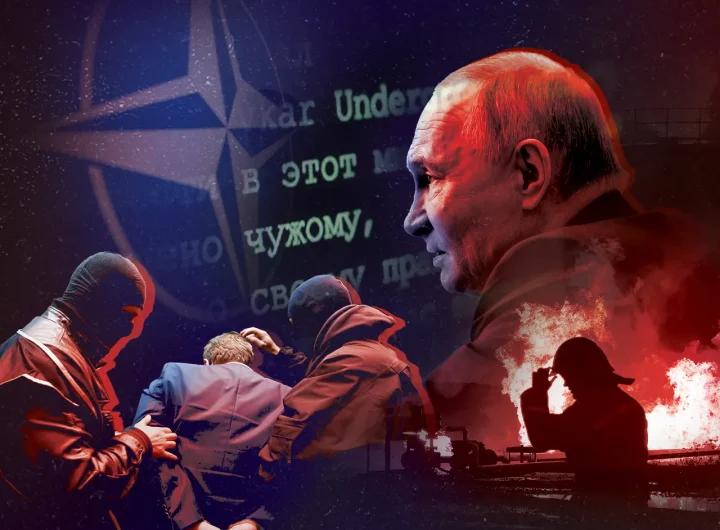 CEPA report: Russia is waging a "shadow war" in Europe, the risk of escalation increases
  Momcilo Gajic, the leader of the Serbian group that caused unrest in Europe on the orders of Russian intelligence, takes refuge in Moscow
  Kosovo, along with other countries, condemns Iranian attacks in the Strait of Hormuz
 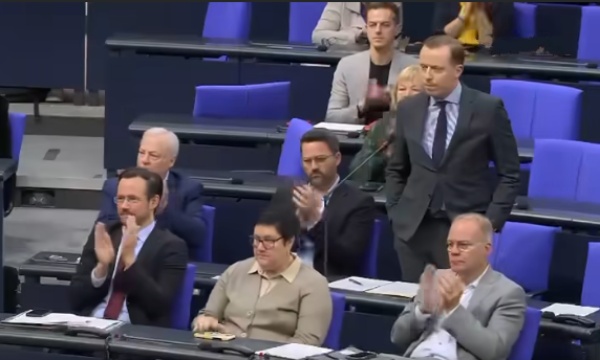 German Bundestag Member: NATO Intervention in '99 Stopped Milosevic's Genocide in Kosovo