
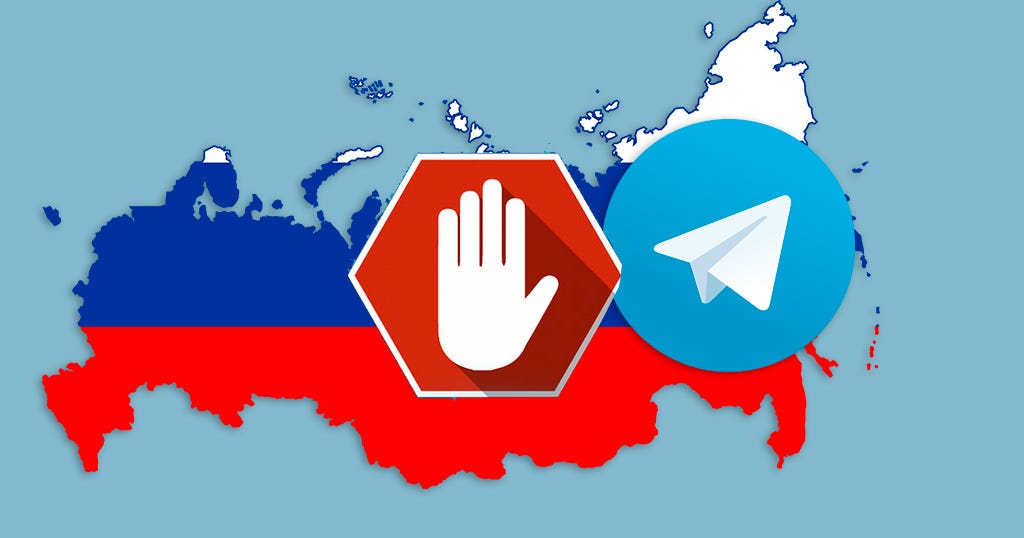
Russian soldiers on the front lines in Ukraine have been ordered to delete the popular messaging app Telegram, while those who do not are threatened with transfer to the Russian military's dangerous Storm-Z penal units, according to pro-war Russian channels on Telegram.
The reports come amid evidence that a nationwide block against Telegram in Russia has already begun, after 18,000 people appear reports on a Russian outage tracking website that they were having problems accessing the app over the weekend.
On Sunday, the Russian pro-war Telegram channel, Dva Mayora, reported that "orders have been issued at the front to delete Telegram from mobile phones," citing unidentified sources in the Russian military.
Dva Mayora added that Russia's military police were tasked with checking soldiers' phones for the app, while those who refused to comply were transferred to Storm-Z penal units, which are made up of former prisoners who were granted early release to fight in Ukraine and which have extremely high mortality rates.
The report was confirmed from another pro-war channel, Belorussky Silovik, which said the orders likely came from within individual units, rather than from the Ministry of Defense itself, noting that command structures in a “number of other units” continued to operate via Telegram.
Over the past year, Russia has been trying to steer Telegram users toward MAX, a Russian-developed alternative that offers no anonymity or privacy protections for its users. According to Dva Mayora, MAX’s take-up on the front lines has been mixed, with some units having banned its use entirely, while others have already migrated their chats to the app.
The telegram will lock fully in Russia as of April 1, although initial reports suggested that Russian military units in Ukraine might be exempt from the ban. However, Vladimir Putin later told that he was in favor of banning the application even on the front lines.
Without providing any evidence, the Russian Federal Security Service (FSB) claimed in February that the use of Telegram posed a “life-threatening” security risk to Russian troops, due to alleged collaboration between the Dubai-based platform and Ukrainian intelligence agencies.
The Geopost
 The militarization of children in occupied territories: How they become tools of war for Russia
  NATO plans $60 billion in aid for Ukraine
  US restores sanctions on Russian oil, warns of new measures against Iran
  Ukraine and Germany agree on €4 billion defense package, including Patriot missiles and drone production
  Strait of Hormuz crisis hits Chinese industry, increases costs and uncertainty
  US intelligence report: Russia remains the main global threat