
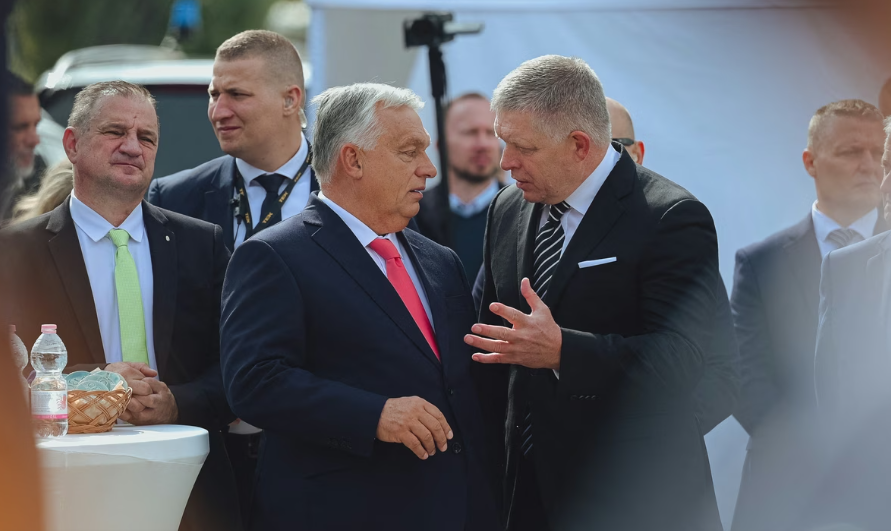
Viktor Orban's defeat in Hungary's elections after 16 years in power reverberated across Central Europe and could change political relations in the region, especially in the Czech Republic and Slovakia, where his political allies are in power.
The main reason for the victory of opposition leader Peter Magyar was not only public dissatisfaction with corruption and the poor economic situation, but also a broader rejection of Orban's policies. Many voters rejected his model of "illiberal democracy," moving away from the European Union and closer to Russia.
Reactions from the region were swift but restrained. Czech Prime Minister Andrej Babiš congratulated the winner, but with a warning:
"Facing such a strong opponent as Viktor Orbán has never been easy... He must not disappoint."
Slovak Prime Minister Robert Fico reacted similarly, saying briefly: “I fully respect the decision of the Hungarian voters,” adding that he is “ready for intensive cooperation” with the new government.
However, Fico made it clear that Slovakia will not change its course – it insists on restoring the Visegrad Group, protecting energy interests, and continuing cooperation regarding Russian oil supplies.
The cautious reactions from Prague and Bratislava show how important Orban was in the alliance of populist and nationalist leaders in Europe. His loss now raises the question of how those relations will develop further.
Slovakia could be particularly affected by this change. Analyst Martin Poliacik believes that a pro-European Hungary could weaken Fitz.
"The biggest threat to the Slovak prime minister is a pro-European Hungary, because the Slovak population would see that this is possible," he said.
At the same time, Orban's departure leaves a void in European politics. For years, he was an important mediator between the West and Moscow. Although there is speculation that Fico could take over that role, Poliacik is skeptical: "He is tired ... and he doesn't have the team that Orban had."
Even the new government in Hungary does not guarantee stability. Analysts warn that the political scene in Europe is currently very unstable.
"It's difficult to maintain any status quo and everything is changeable," Poliacik says.
In the Czech Republic, Prime Minister Andrej Babiš is often compared to Orban, but experts point out that his options are much more limited. Political analyst Jindrich Šidlo says: “Babiš is, in this sense, a much weaker version of Orban,” mainly due to institutional constraints and a different political system.
Orban's defeat could also affect his international network of allies. Over the years, Budapest has supported similar movements across Europe, funding media outlets, organizations, and political initiatives. As András Lederer warns.
"Without Orban in power, this network will probably shrink significantly and perhaps even disappear," Lederer said.
Finally, the question of the fate of the Visegrad Group is also open. The war in Ukraine has already exposed the deep divisions among its members – while Poland and the Czech Republic supported Kiev, Hungary and Slovakia took a much softer stance towards Russia.
Without Orban as a key figure, the new Hungarian government is likely to seek stronger ties with Brussels, while Poland is currently showing no interest in renewing the regional alliance. All of this adds to the uncertainty in Central Europe after one of the most significant political upheavals in the past decade and a half.
The GeoPost
 British divers prepare for mine clearance operations in the Strait of Hormuz
 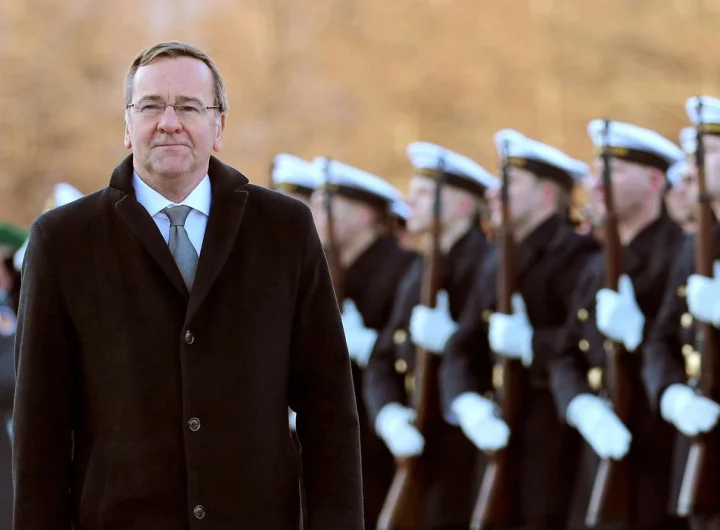 Germany presents national military strategy to counter Russian threat
 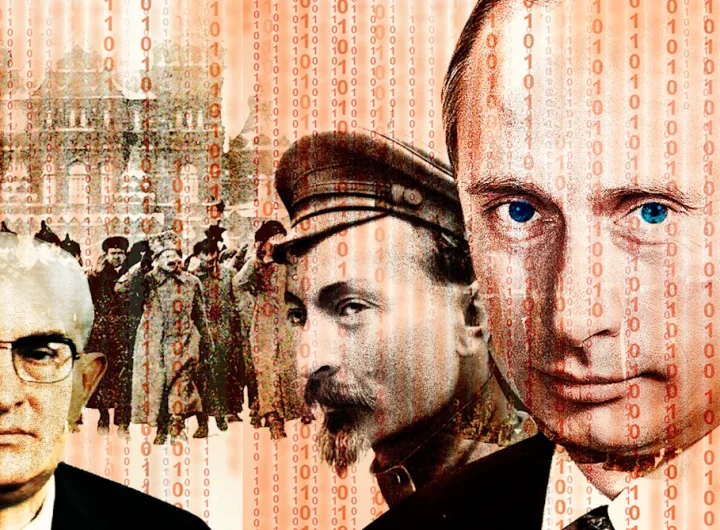 Renaming the FSB Academy: Kremlin strengthens ties to Soviet-era symbolism
  EU gives preliminary approval to unlock €90 billion loan for Ukraine
  EU budget blow to Serbia
  Is Russia entering a deep economic crisis?