
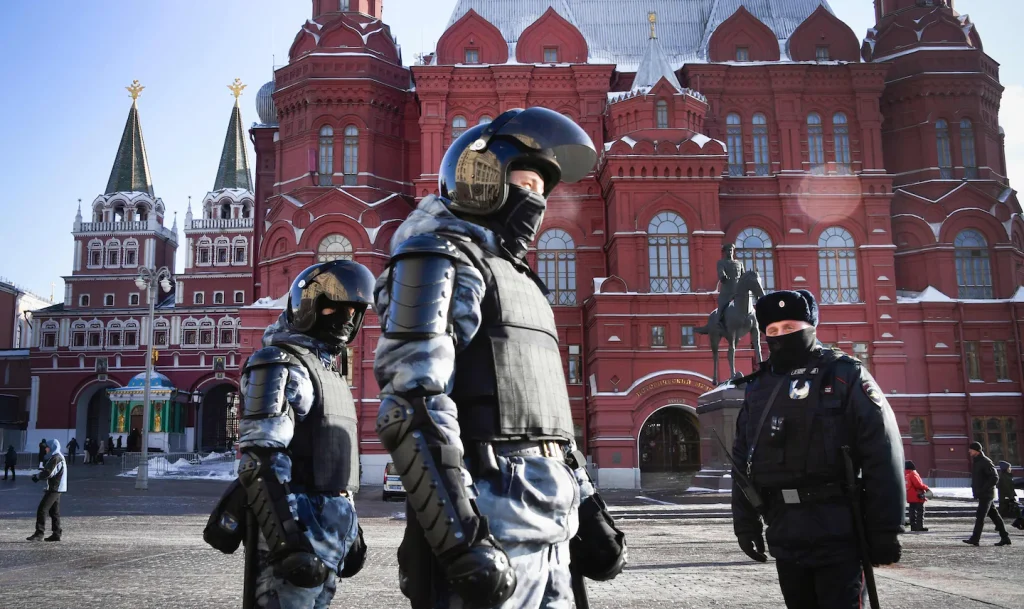
The branch of Russia's Federal Security Service (FSB), responsible for the poisoning of opposition figures Alexey Navalny and Vladimir Kara-Murza, is behind the escalation of cyberattacks in the country, according to independent news agency The Bell.
The FSB's Service for the Protection of Constitutional Order and the Fight against Terrorism, also known as the Second Service, has reportedly taken control of Russia's internet blocking efforts. Second Service officers were present at a meeting with the Ministry of Digital Development, at which companies were ordered to crack down on the use of VPNs, according to an IT industry participant.
“Everything has changed because the Second Service has taken over this initiative,” a source told The Bell. “Now they go everywhere and decide everything.”
Another source reported that several major payment services recently underwent inspections ordered by security services. The companies were asked whether they process user payments for VPN services.
The Second Service was first involved in internet restrictions in the summer of 2025, according to The Bell, and it was this agency that began blocking voice and video calls on Telegram and WhatsApp. “Apparently, Sedov [the head of the Second Service] promised Putin that he would regulate the internet and was given complete freedom to do so,” a source said.
Previously, key decisions on internet regulation were made by the FSB’s Counterintelligence Service, or First Service. Meanwhile, the practical implementation of technological controls falls to the FSB’s Scientific and Technical Service – the Third Service – which reportedly issued the order to shut down internet access in Moscow in the spring of 2026.
The FSB’s Second Service works to combat “ideological sabotage,” having inherited some responsibilities from the Soviet-era KGB’s Fifth Main Directorate, the political police. It tracks activists, deals with cases of “extremism,” and is partly responsible for designating organizations as “undesirable” or “foreign agents.” According to previous reports, officers from the service were behind the poisoning of the late Alexey Navalny in 2020 and Vladimir Kara-Murza in 2015 and 2017.
The GeoPost
 Backstabbing 2.0: What's happening in the Russian Ministry of Defense?
 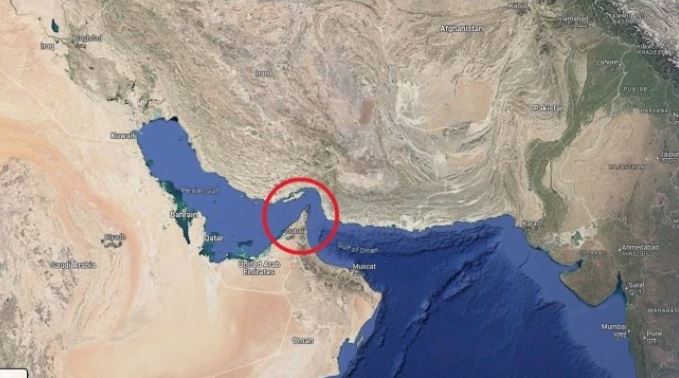 After US seizes 21 ships, Iran closes Strait of Hormuz
  The Kremlin's 'domino effect': How Putin's network of allies is collapsing
  Russia and the pain of Hungary's defeat
  Kosovo and Albania aim to co-produce military equipment
  Parliament approves sending KSF to Gaza