
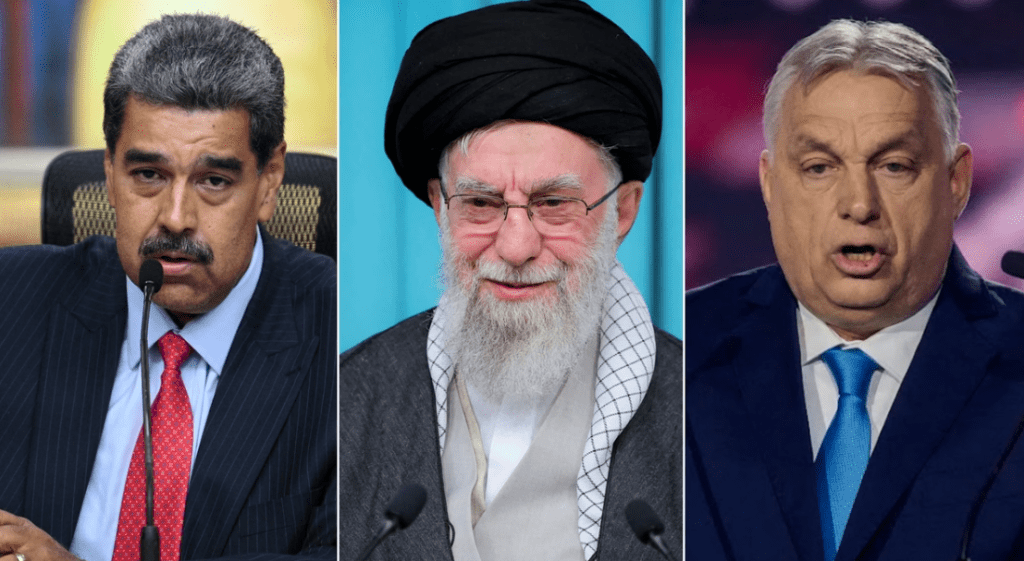
Viktor Orban, Ayatollah Ali Khamenei and Nicolas Maduro – three leaders considered undemocratic and close allies of the Kremlin – have been out of power since the beginning of this year, and Moscow's response to their ouster has been largely limited to statements.
According to "New Third Way" researcher Dragoslav Rašeta, who spoke to the N1 portal, this course of events is expected, as Russia - even if it wanted to - "has neither hard power nor diplomatic power" to help its allies, due to the depletion of resources and international isolation related to the war in Ukraine.
On January 3, the United States carried out what it called an arrest operation against Venezuelan President Nicolas Maduro, who was transferred to the United States and is now on trial on charges of “narcoterrorism.” Despite close strategic relations between Caracas and Moscow for more than two decades, the Russian response was limited to a Foreign Ministry statement calling for Maduro’s release and negotiations between the United States and Venezuela.
In Iran, Supreme Leader Ayatollah Ali Khamenei was killed on February 28 in a drone strike, at the beginning of the escalation of the war in the Middle East and attacks on Iran by Israel and the US. Here too, according to Rasheta, Moscow's support remained largely verbal: Lavrov expressed condolences, while Putin described the assassination as a violation of international law and humanitarian norms.
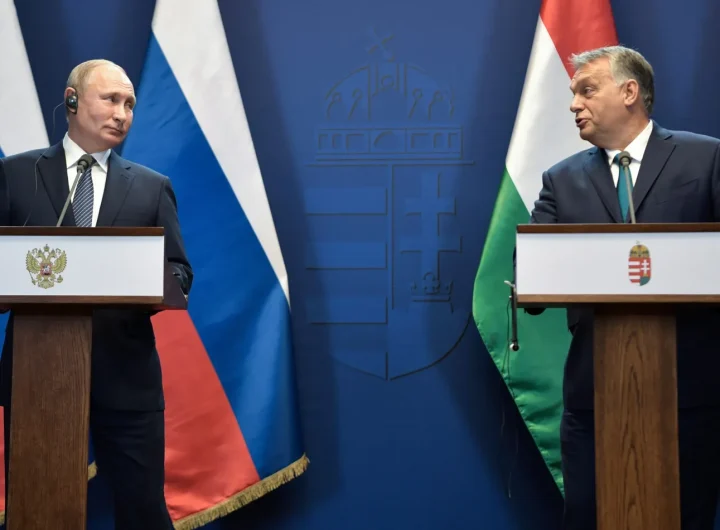
Meanwhile in Europe, Viktor Orban – who led Hungary for 16 years and was considered a “brake on Russia” within the European Union, especially because of his obstruction of aid to Ukraine – lost the election, while the new Prime Minister Peter Magyar warned of rapprochement with Brussels. The Kremlin reacted sharply: spokesman Dmitry Peskov declared that Moscow would not congratulate Hungary, calling it an “enemy country” for its support for sanctions against Russia.
Rašeta says Russia's relations with these countries were diverse, but united by an anti-Western ideological thread. In the case of Iran, Tehran was seen as a strategic investment to limit American influence in the Middle East; while Orbán's Hungary served to block EU decision-making regarding Ukraine.
According to him, Moscow's inability to come to the aid of its allies stems mainly from the four-year war in Ukraine: resources have been depleted, economic pressure has increased, and Russia has lost diplomatic influence, being excluded from many international forums.
Rasheta estimates that the most serious loss for the Kremlin is Orban's departure, as this could pave the way for the EU to provide long-term funding and support for Ukraine.
“Hungary was Russia's most important ally of the three mentioned. And I don't believe that Russia has, or will have, an ally like Hungary led by Viktor Orban,” he concludes.
In a difficult year for Putin's allies, the end of the rule of Maduro, Khamenei, and Orban is being seen as a clear signal that Moscow's influence outside its borders has declined significantly - and that the alliance with the Kremlin no longer guarantees decisive support at key moments.
The Geopost
 Backstabbing 2.0: What's happening in the Russian Ministry of Defense?
  After US seizes 21 ships, Iran closes Strait of Hormuz
  The FSB that poisoned Navalny to death is now blocking the internet in Russia
  Russia and the pain of Hungary's defeat
  Kosovo and Albania aim to co-produce military equipment
  Parliament approves sending KSF to Gaza