
Serbian President Aleksandar Vučić's idea to change the course of the Ibar River has caused strong reactions even in Serbia, where experts and analysts have described it as an irrational project, with extraordinary costs and with possible consequences for the environment and the inhabitants of Kosovo.
Vučić mentioned the possibility of changing the course of the Ibar River as a response to the measures taken by the authorities in Pristina against the Serbian community. The Serbian president said that Belgrade could take such a step and raised the question of "what will the Albanians do and how will they behave then."
According to reports cited by Deutsche Welle, Vucic has also announced the formation of a working group with engineers and construction experts to examine the possibility of realizing the project.
However, retired professor of hydraulic engineering and hydrology Jovan Despotović believes that Vučić's idea is practically unfeasible in the short term. He told FoNet that changing the course of the Ibar would require major interventions on the ground, including extensive works, tunnels and dams, and would also be in conflict with European regulations.
Experts also warn of serious ecological consequences, as interfering with the natural flow of the river could affect the entire Ibar basin and beyond.
Janjic: Ideological and propaganda project
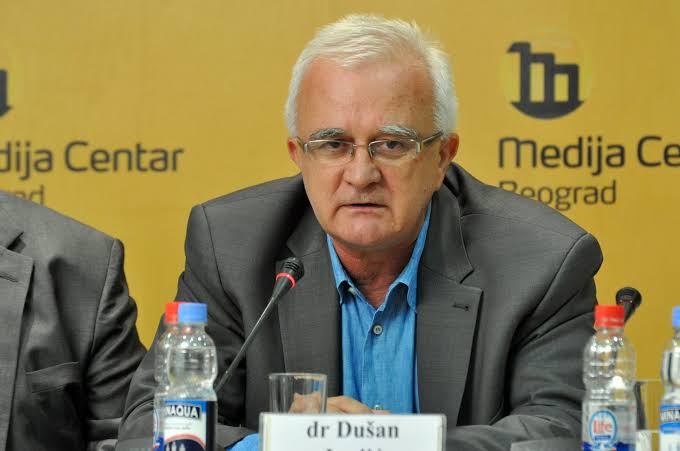
The Chairman of the Board of Directors of the Forum for Ethnic Relations, Dušan Janjić, described Vučić's statement as a return to the nationalist ideas of the 80s.
According to him, changing the course of the Ibar River had been discussed since 1983–1985 and was linked to nationalist ideas about Kosovo.
Janjic told DW that today this idea does not represent a real solution to any problem, but rather an ideological and propaganda project aimed at creating tensions and fueling fear in the region.
He stressed that the threat of harming Kosovo is not realistic, considering the size of the project and the time it would take to complete.
Janjic described the idea as a way to create the impression that without Vučić's intervention "there is no salvation", while at the same time shifting attention away from Serbia's internal problems.
"So, Vučić will hardly be able to see how Albanians will suffer, but all the inhabitants of Kosovo will be harmed. And what has already been harmed is undoubtedly the image of Serbia itself and its leadership. "Because, when you go public with such statements, everyone will wonder whether this is a partner with whom to work," warns Janjić.
Changing the Ibar would also affect Serbs in Kosovo
Another element highlighted by Janjic is the fact that the consequences of such an intervention will not only affect Albanians, but all residents of Kosovo, including the Serbian community.
He estimated that the implementation of the project would take decades and that Vučić would not be able to see the consequences he mentioned, while the most damaged would be all the inhabitants of Kosovo.
According to Janjic, such statements also damage Serbia's international image and raise questions about its credibility as a partner.
Meanwhile, the leader of the opposition SRCE party, Zdravko Ponos, has ironized Vučić's statement, saying that before dealing with major projects, he should deal with the sewage problems in Borča, in Belgrade.
"The Myth of Sisyphus"
Janjic has described Vučić's approach as part of a political campaign and compared it to the "myth of Sisyphus." According to him, Serbia's foreign policy is being used to cushion domestic problems and maintain power.
Meanwhile, the Iber-Lepenc system is of strategic importance to Kosovo, particularly for water supply and energy production, which makes any threat to interfere with the river's flow an issue with potentially serious consequences for regional security and stability.
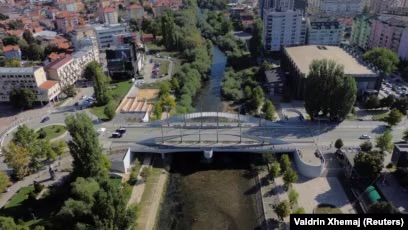 NATO: Any decision to reopen the Ibar bridge to vehicles must address the needs of all communities
  Russian plane lands in Nis via Bulgaria - Moscow continues its influence in the Balkans through Serbia
 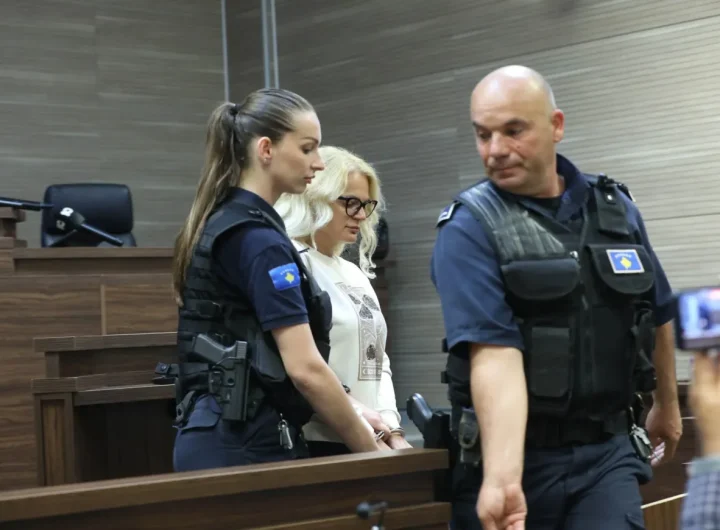 What does the Prosecution's file contain about BIA spy Jelena Djukanovic, sentenced to six years in prison?
 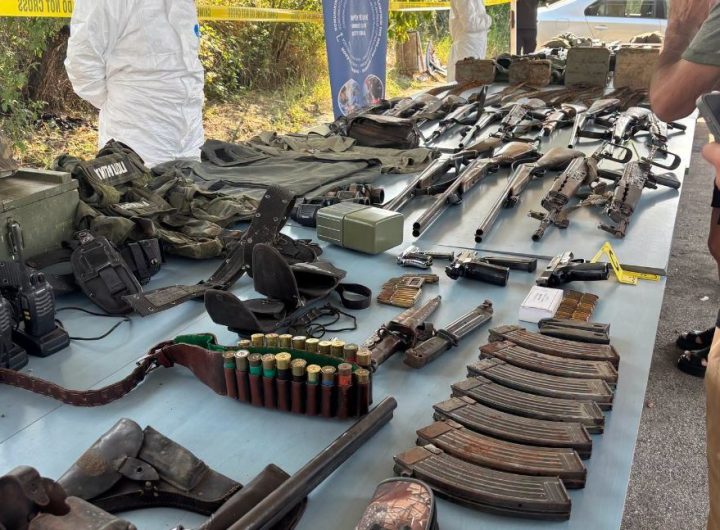 Weapons arsenal found around mass grave sites in Zubin-Potok in northern Kosovo
  Special Prosecution: Seven BIA-related espionage cases, four convictions
  YouTube blocks Serbian director Emir Kusturica's channel, published content in collaboration with Sputnik