
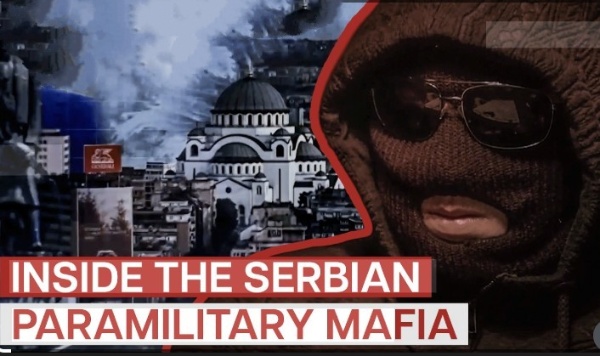
A French investigative documentary reveals the dark connections between the Serbian mafia, football hooligans and state structures, depicting Serbia as one of the main hubs of organized crime in Europe.
French journalist Jerome Pira, who has been investigating the underworld for two decades, traveled to Serbia to follow the trail of weapons that supply criminal groups in Western Europe.
According to him, most of the illegal weapons used by gangs in France, Italy or Germany come from the Balkans, especially from Serbia and Bosnia.
In the documentary, he meets with arms traffickers in Belgrade, who openly show how weapons are smuggled into Europe via Turkish trucks or illegal routes through Hungary and Croatia.
"Most of the weapons come from Bosnia because of the war. There are still a lot of weapons reserves from the former Yugoslavia," a trafficker says in the documentary, adding that the weapons sold for several hundred euros in the Balkans.
According to the documentary, weapons from the Balkans (Serbia) were also used during the terrorist attacks at the Bataclan in Paris.
But arms trafficking is presented as only one part of the criminal mosaic. According to the documentary, Serbia has for years become the center of drug trafficking, robberies and mafia networks operating throughout Europe.
A significant part of the investigation focuses on football hooligans, especially fans of Crvena Zvezda and Partizan in Belgrade, who are described as groups with great influence in the criminal world and strong ties to the state.
Some of the characters interviewed claim that hooligans are used by politics and state services for protests, street pressure, and territorial control.
"If the state has a problem, hooligans come out on the field. If hooligans have a problem, the state protects them," says one of the interviewees.
At the center of the documentary is the infamous figure of Zeljko Raznatović, known as Arkan, former paramilitary leader, mafia boss and leader of the Red Star fans.
According to the documentary, Arkan was the symbol of the union between the mafia, nationalism and the Serbian state during the 90s. Former security officials say that he and other criminals were used by the Yugoslav secret services for political eliminations abroad.
UDB spy Bozha Spasic issued more than 600 passports to criminals over a period of 15 years. An unprecedented collaboration between state services and the criminal underground network.
And it doesn't end there. After serving as assassins, the bandits will come to the aid of the communist regime and the newly elected president, Slobodan Milosevic.
In 1990, the country was reeling. The Soviet bloc had just collapsed and President Milosevic was facing popular discontent.
The mobsters took control and were tasked with disciplining the problematic youths of the stadiums. They became their leaders.
Zeljko Raznatovic, known as Arkan, ruled over the famous Red Star Belgrade fans.
A former security official in the documentary claims that during the communist years, criminals were recruited for covert operations against political opponents in Europe.
"They were born criminals. We didn't create them, we used them," he says.
The documentary also revisits the events of the war years in the former Yugoslavia, revealing that many hooligans and criminals turned into paramilitary commanders during the conflicts in Croatia and Bosnia.
A former commander of "Arkan's Tigers" describes him as a heroic figure, while the documentary also brings accusations of war crimes and close ties to the regime of Slobodan Milosevic.
Ultimately, the investigation raises the question of how much the relationship between politics and crime in Serbia has really changed since the 2000s.
According to several interlocutors in the documentary, corruption and the connections between the mafia, business and politics continue to be deeply rooted in the system.
"Everything is bought. From institutions to permits and political protection," says one of them.
The documentary ends with the memorial ceremony at Arkan's grave, where former paramilitaries, fans, businessmen and public figures gather, a scene that, according to the authors, symbolizes the continued influence of the criminal world in Serbian society.
The GeoPost
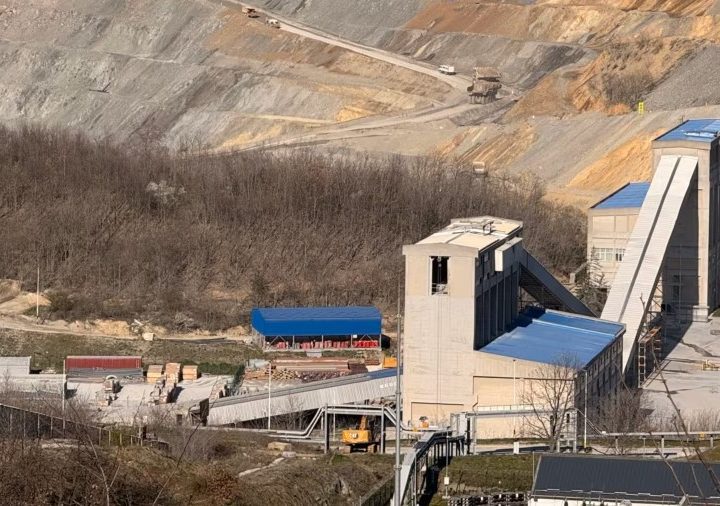 How the presence of Chinese and Russian companies is growing in the development of mining regulations in Serbia
  Congressman Self: Refusal of some NATO member states to recognize Kosovo undermines stability in the Balkans
 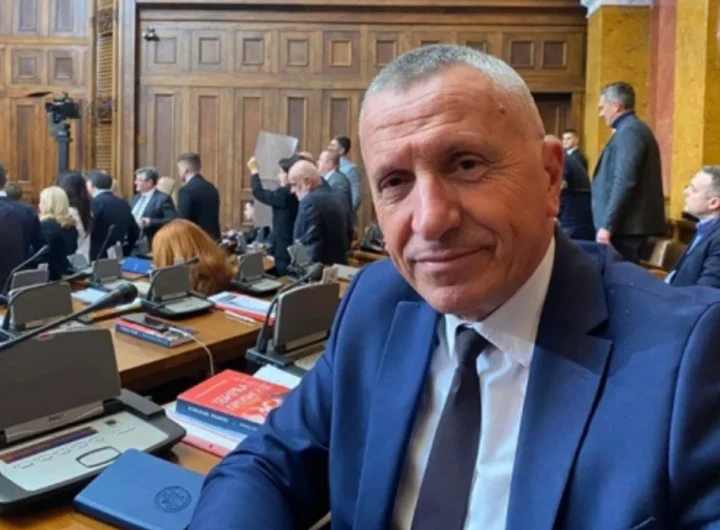 Resolution proposed in Serbian Parliament to condemn Serbian crimes in Kosovo
 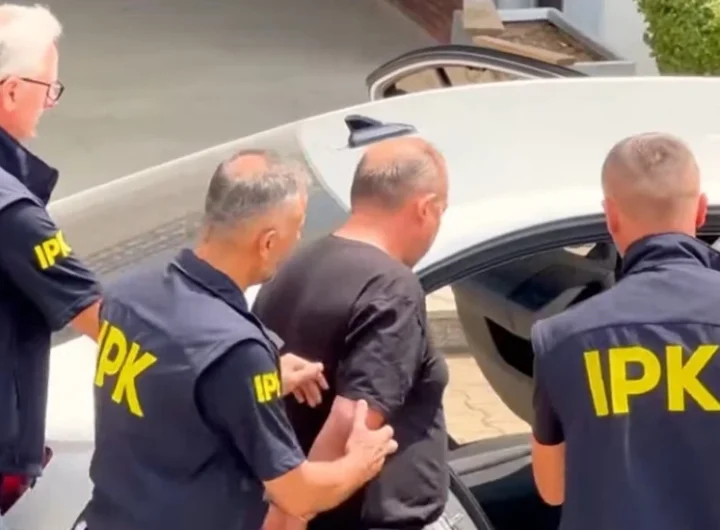 Serbian Kosovo Police Lieutenant Delivered Secret Documents to BIA
 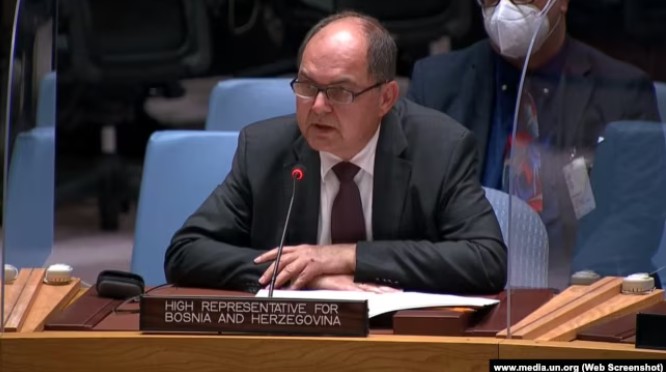 "Glorification of war criminals", Schmidt at the UN Security Council warns of risks to the integrity of Bosnia
  Dodik continues with old rhetoric about declaring independence of Republika Srpska