
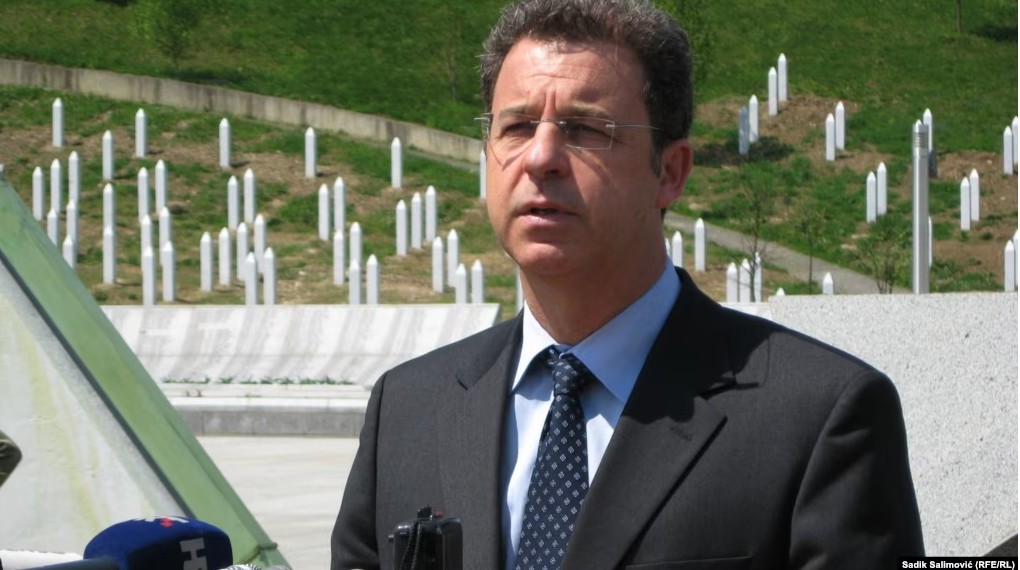
More than 2,000 people suspected of war crimes committed during the wars in the former Yugoslavia have not yet been investigated by national courts, warned Serge Brammertz, chief prosecutor of the International Residual Mechanism for Criminal Tribunals, on June 12, addressing the United Nations Security Council.
Brammertz said that national judiciaries have taken on the primary responsibility for continuing to prosecute war crimes after international courts have completed their work, but that they still have extensive work ahead.
“In the countries of the former Yugoslavia, more than 2,000 suspects have yet to be investigated,” Brammertz said during his regular report to the Security Council on the work of the Mechanism, the successor to the International Criminal Tribunal for the former Yugoslavia (ICTY) and the International Criminal Tribunal for Rwanda.
He added that Rwandan authorities are still searching for more than 1,000 people suspected of participating in the 1994 genocide.
Brammertz stressed that the success of national courts in prosecuting war crimes depends largely on the evidence, expertise and support provided by his office.
"Member states have repeatedly stressed how indispensable my office is in supporting their work," Brammertz said.
Speaking about the legacy of international courts, Brammertz recalled that the United Nations has achieved "unparalleled results in the field of international criminal justice" over the past three decades.
According to him, a total of 254 people have been indicted before international courts and the Mechanism, 154 have been convicted and there are no more fugitives wanted by these institutions.
"It is a confirmation of the United Nations' commitment to justice and accountability," he said.
Brammertz also warned that denial of war crimes and glorification of convicted war criminals are still present in societies affected by the conflict.
"The truth is needed today more than ever," he said, adding that reconciliation depends on recognizing and respecting the suffering of all victims regardless of their national or ethnic origin.
He stressed the importance of preserving the Mechanism's archives and public access to documentation in order to preserve the memories of victims and enable the education of future generations about the crimes committed.
At the end of his speech, he proposed that the Mechanism would retain responsibility for the execution of sentences handed down before international courts, while the mandate of the Office of the Prosecutor to provide assistance to national judiciaries would be transferred to the United Nations Secretariat, along with some of its staff and archives.
The International Residual Mechanism for Criminal Tribunals was established in 2010 to take over the remaining functions of the tribunals for the former Yugoslavia and Rwanda after the end of their mandates.
The GeoPost
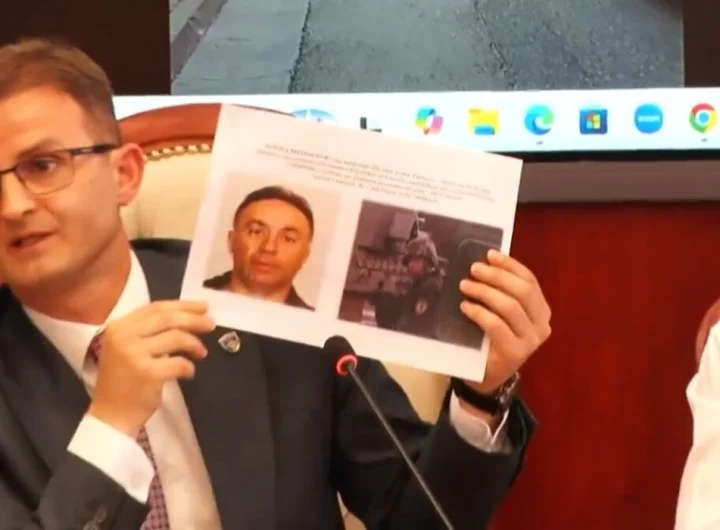 The five arrested for war crimes were involved in the Recak massacre.
 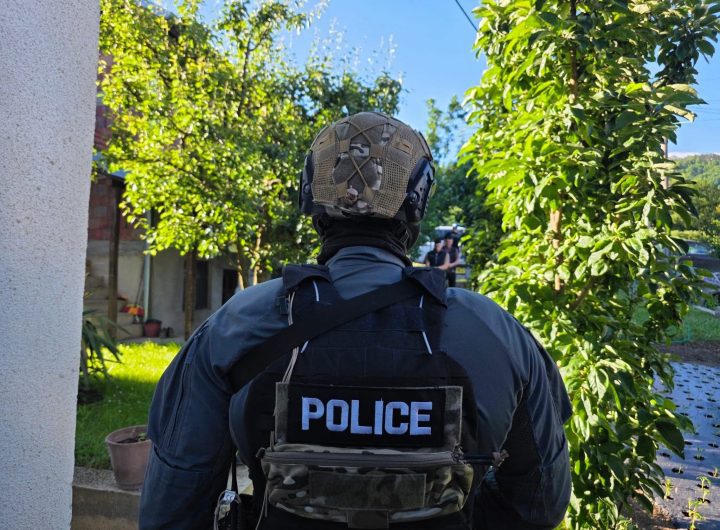 Five people arrested in the operation to investigate war crimes in the “Reçaku II” case
 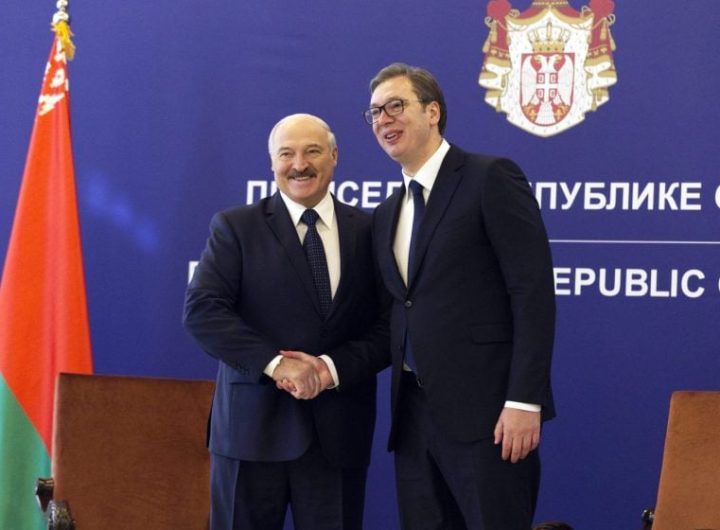 Will Vučić suffer the fate of Lukashenko if the EU does not recognize his elections?
 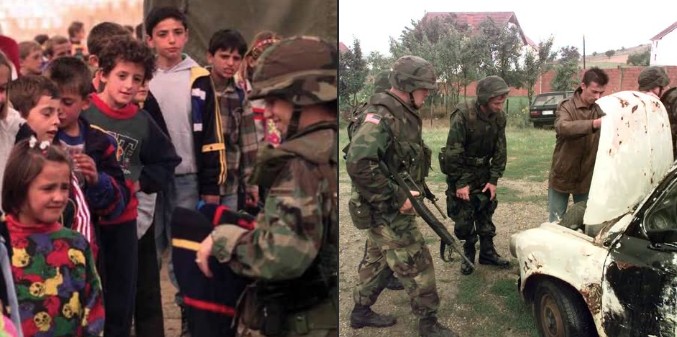 "US Army Center of Military History" commemorates NATO's intervention in Kosovo and the deployment of KFOR in 1999
 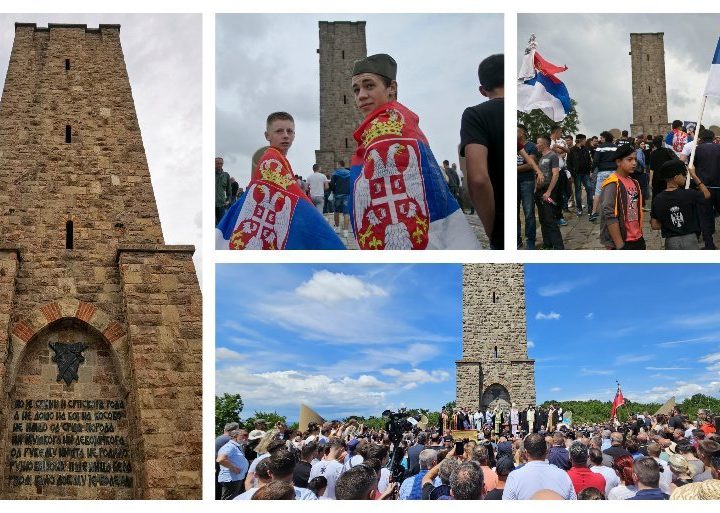 The false narrative about Gazimestan: How Serbian media fabricates false “threats” for Vidovdan
 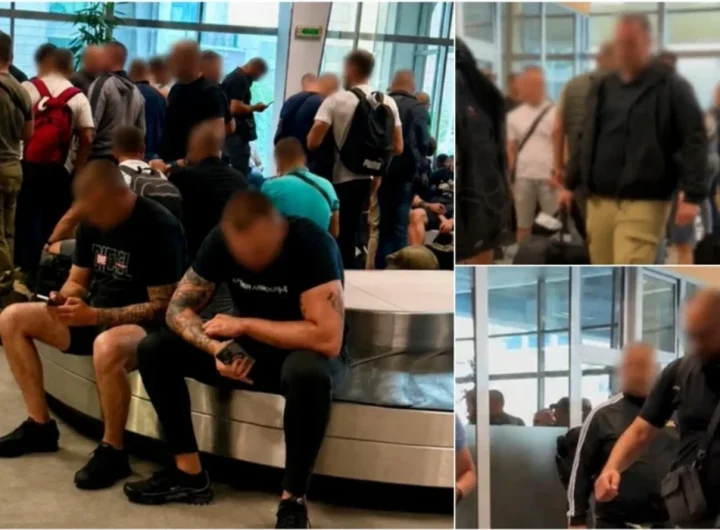 Montenegro airport scandal – criminals and former Serbian police officers on the same mission