
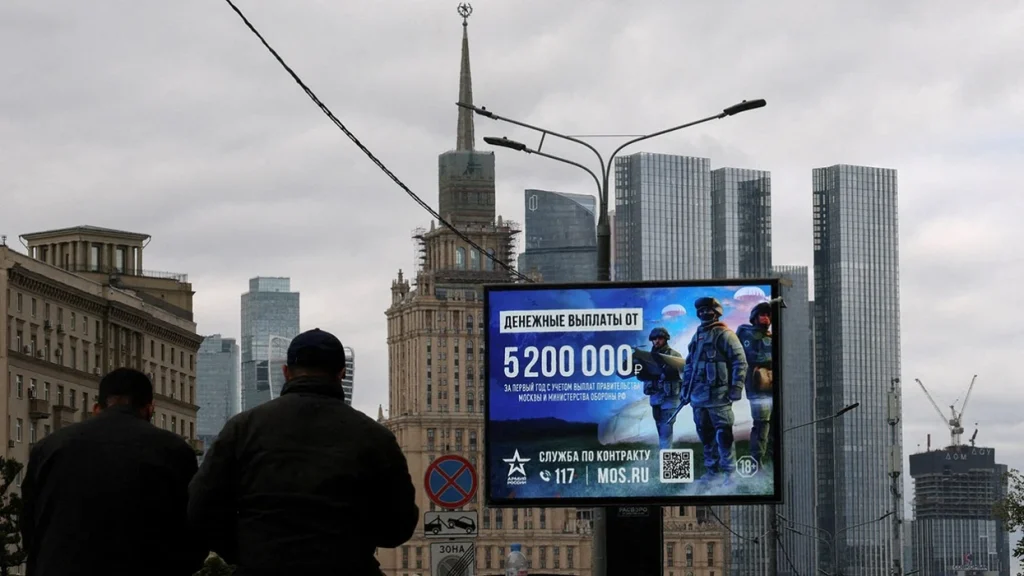
Russia plans to increase defense spending to a record high since the collapse of the Soviet Union, while cutting civilian programs and raising taxes, suggesting the Kremlin is preparing for a protracted war in Ukraine.
The draft budget for 2027 foresees 17.1 trillion rubles (about $205.2 billion) for defense, 26 percent more than the amount previously planned for that year and 375 percent more than the pre-war level in 2021. Defense spending will account for about a third of all federal spending.
Analysts say Russia still has the financial resources to continue the war, but the ever-increasing cost will weigh on families, businesses and public services, writes the Moscow Times.
Russia's budget deficit reached 5.65 trillion rubles in 2025, or 2.6 percent of GDP. The government expects the deficit to reach 7.3 trillion rubles in 2026, before decreasing to 5.4 trillion rubles, or 2.2 percent of GDP, in 2027.
To finance the deficit, Moscow plans to borrow 6.1 trillion rubles next year, compared to 5 trillion rubles in 2026. Meanwhile, debt service is expected to cost 4.6 trillion rubles in 2027.
Russia is also planning cuts in the civilian sectors. According to the draft budget, funding for healthcare will be reduced by 5.5 percent, for education by 5.4 percent, and for social programs by 6 percent, compared to the amounts previously planned for 2027.
At the same time, the government aims to raise an additional 1.5 trillion rubles through tax increases. Among the proposed measures are a 22 percent VAT on purchases from foreign online sellers, as well as a 100-ruble customs fee for packages worth less than 200 euros.
Also, taxes on income from deposit interest, dividends and property sales are expected to increase from the current level of 13–15 percent to a range of 13 to 22 percent. The Ministry of Finance has also proposed a one-time tax on the profits of companies in the mining and metallurgical sector.
Meanwhile, analyst Alexandra Prokopenko has warned that the government may be reaching the limit of how much additional revenue it can raise through tax increases to finance the war. This could increase pressure on the Central Bank to cut interest rates and ease borrowing costs for the government and businesses.
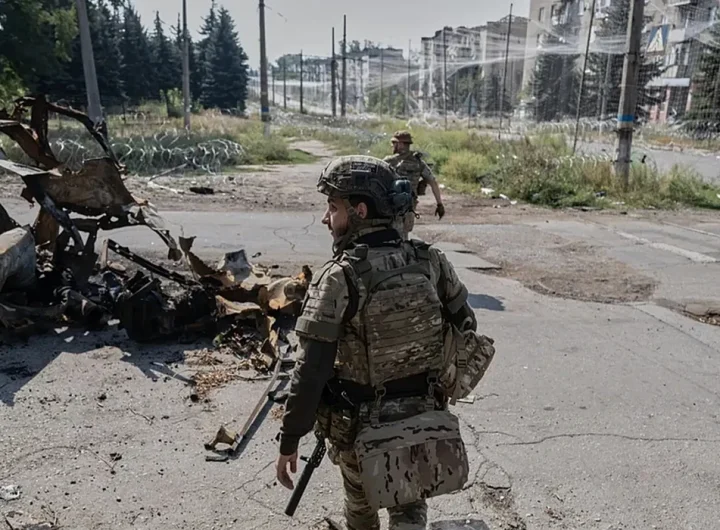 Ukraine's Operation Vivaldi thwarts Russian plan to encircle Donbas
  The accused in the terrorist attack in Banjska, Milan Radoićić, appears at the SNS pre-election rally with Vučić's son
 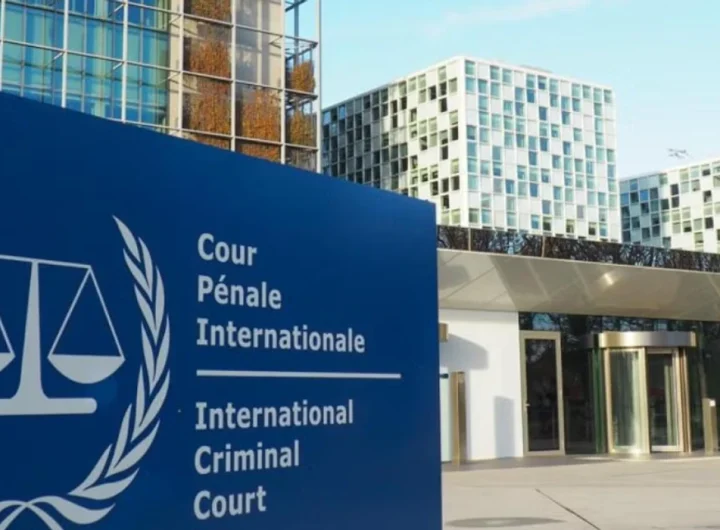 US imposes sanctions on Hague Tribunal, Rubio: We will paralyze it
  How did Iranian operatives use AI to spread fake news in American media?
  Montenegro to deport head of network linked to Russian hybrid operations, Rybar
  Bomb threats against institutions in Albania, messages mention Kosovo