

Several American and international media outlets have reported that the United States and Iran have reached an agreement in principle to extend the current ceasefire, and that it should receive the green light from US President Donald Trump.
Reuters reported late Thursday, citing four sources, that the deal would extend the ceasefire for another 60 days and allow free passage through the strategic Strait of Hormuz, while negotiators continue to hammer out the more difficult issues, such as Tehran's nuclear program.
The news comes amid reports from Iranian news agencies that the country's forces had launched missile attacks on ships in the Strait of Hormuz on Thursday, which were initially believed to be warning shots.
Meanwhile, the US announced that it had imposed new sanctions on Iran's military oil trade, targeting eight ships involved in transporting Iranian oil products to global markets.
Although this would not be the more comprehensive ceasefire agreement that Trump had said the US was seeking, the new agreement - if confirmed - would be the biggest step towards peace since the US and Israel launched air strikes on Iran on February 28, which led to an escalation of the conflict in the Middle East.
Reuters said Trump has not yet approved the deal, while the White House declined to comment.
However, Vice President JD Vance told reporters that Washington "has not reached that point yet" in talks with Tehran, but that the parties are close.
"It's difficult to say exactly when or if the president will sign the memorandum of understanding. We are still discussing some points of wording," Vance said.
"I can't guarantee that we'll get there, but for now I feel pretty optimistic," he added.
Tehran has not commented on the reports, which were first reported by Axios. Iran's Tasnim news agency, citing a source, said the text of the agreement had not yet been finalized or confirmed.
Among others, AFP, dpa, CNN, The New York Times, Fox News and CBS News cited sources who said an agreement in principle had been reached to extend the ceasefire.
US Treasury Secretary Scott Bessent, during a statement at the White House, refused to confirm the agreement, but told reporters that "we may have the basis for an agreement."
Axios reported that the terms of the deal were largely finalized on Wednesday, but added that both sides need approval from their political leaders.
The 30-day US-Iran ceasefire initially took effect in early April, and before it expired Trump decided to extend it indefinitely./REL
 Belgrade's pre-election spin: Petkovic misinforms about the arrest of directors of parallel institutions in Kosovo
  Romania seeks NATO support after downing Russian drone
 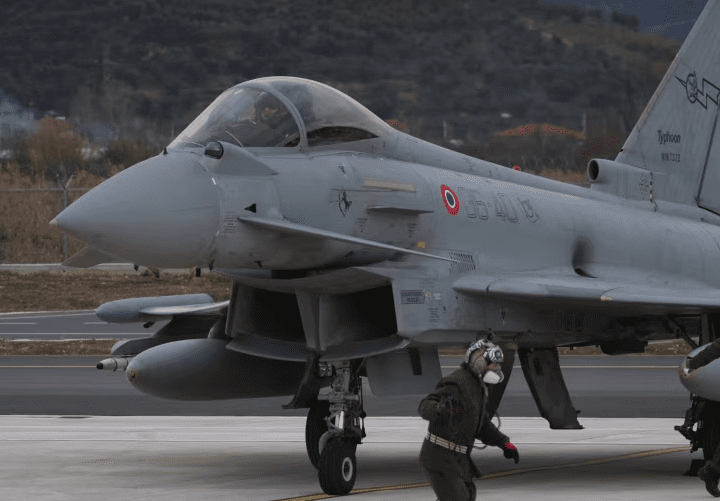 Albania: Porto Romano and Corridor VIII, key projects for NATO mobility
 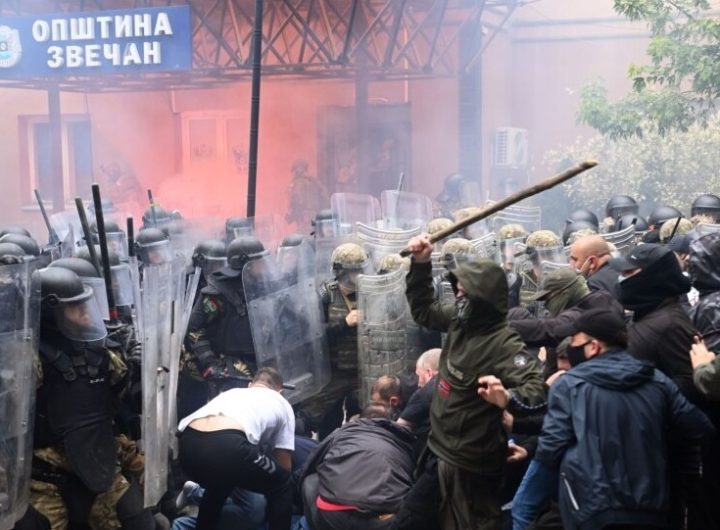 Three years since the attack on NATO soldiers: Vučić's direct role through Radoić in the destabilization of the north
 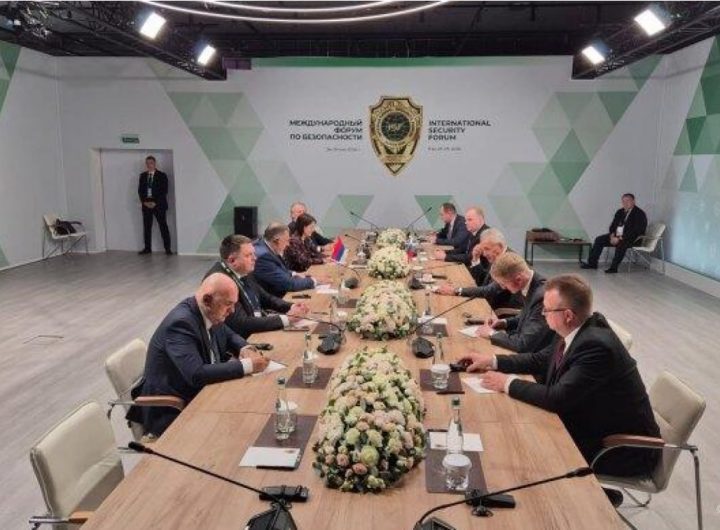 Dodik in Moscow: Republika Srpska as a 'Russian fortress' in the Balkans
 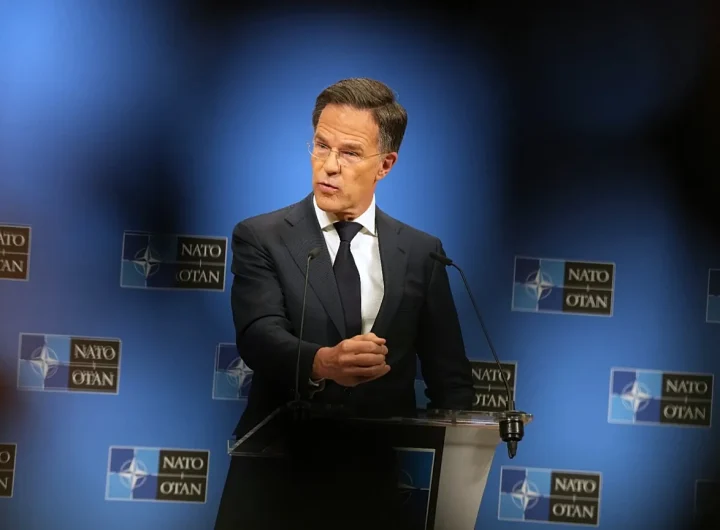 F16 on alert in Romania after drone incident: NATO reacts harshly to Russia