
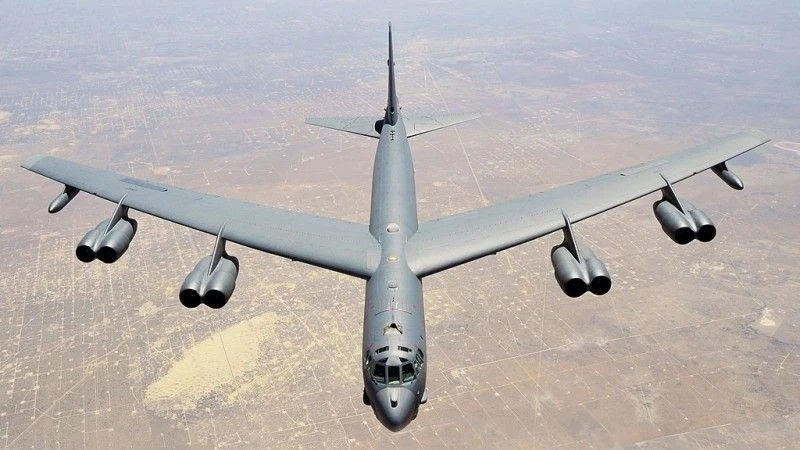
Two American B-52 strategic bombers supported Japan in a show of force.
This action comes in response to recent Chinese-Russian provocations near the Sea of Japan.
On December 9, Chinese and Russian bombers conducted a joint flight over the waters of the Sea of Japan, the East China Sea, and the western Pacific Ocean.
The exercise involved, among others, Tu-95MS bombers, Il-78 aerial refueling tankers, an A-50U early warning and control aircraft, as well as accompanying fighter jets, including Su-30SMs.
In response to these maneuvers, American and Japanese aircraft – two B-52 bombers, three F-35s and three F-15s – flew over the Sea of Japan.
"This demonstrates the strong will shared between Japan and the United States and shows that unilateral attempts to change the status quo by force will not be tolerated," he quoted The Wall Street Journal to say the Japanese Ministry of Defense.
"The presence of US strategic bombers alongside Japanese aircraft in the skies over the Sea of Japan represents a significant strengthening of US support for Japan at a time when tensions between the two countries (China and Japan – ed.) continue to rise," the article continued.
The tensions in question stem mainly from a diplomatic dispute that erupted in November after Japanese Prime Minister Sanae Takaichi declared that any potential use of force by Beijing in the Taiwan Strait could pose a real threat to Tokyo's security – justifying the possible deployment of the Japan Self-Defense Forces to counter Beijing.
China's reaction to these remarks was extremely harsh, leading to a continuing series of increasingly serious "criticisms," including sanctions and an expanded number of Chinese military exercises.
The current US action marks a change in approach.
Until now, the United States had tried to avoid getting too deeply involved in the Japan-China dispute. According to WSJ , this content stemmed from former President Donald Trump's desire to avoid worsening relations with Beijing.
US media reported that Trump even suggested to Japan's prime minister that she avoid "provoking" Chinese President Xi Jinping over Taiwan - claims that Japan's Defense Ministry has denied.
"Sending B-52 bombers to fly alongside Japanese fighters is a signal that the United States is paying attention to this dispute and that Chinese pressure will not break the US-Japan alliance," he told WSJ Christopher Johnstone of the Center for Strategic and International Studies./TheGeopost.
 Russia's conscription system nears breaking point, sparking debate over forced mobilization
 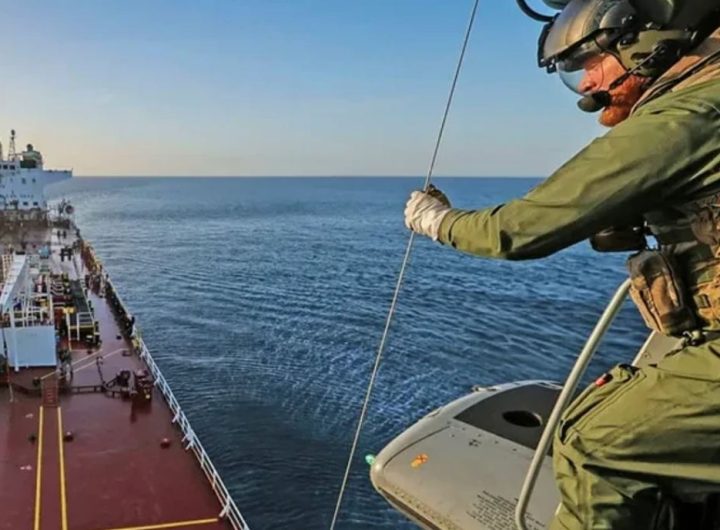 Seizure of Russian tanker – Britain arrests 25 more crew members
 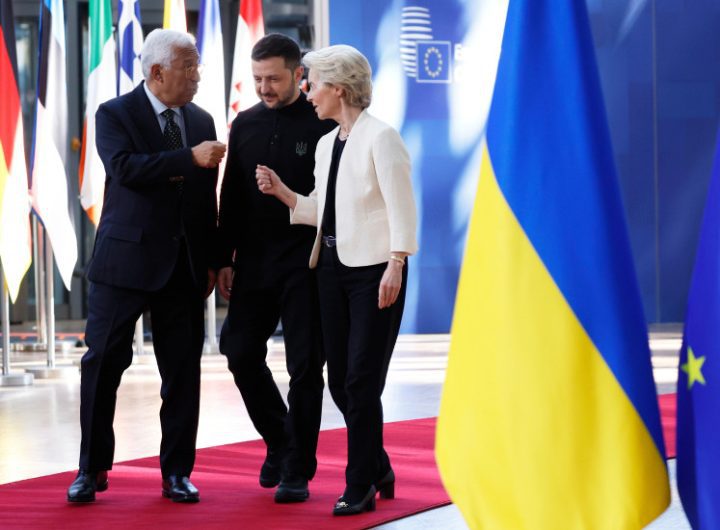 Ukraine and Moldova officially launch negotiations for membership in the European Union
  Ukrainian drones target key Russian oil facility and chemical plant
 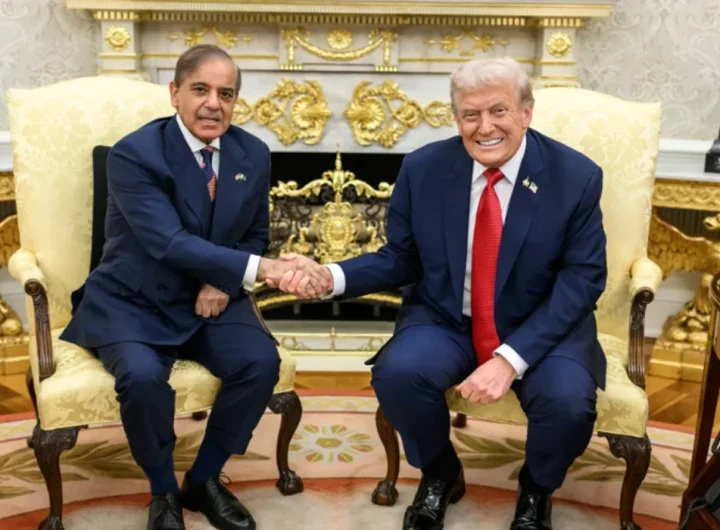 Agreement reached between the US and Iran
 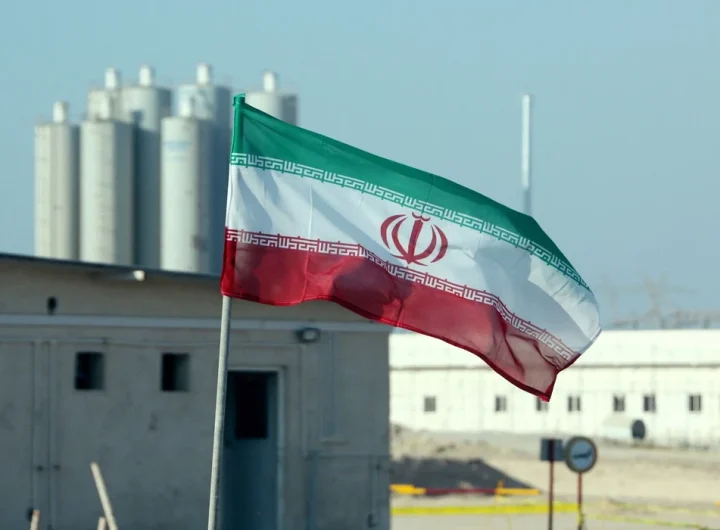 Iranian official: Iran agrees not to produce nuclear weapons