
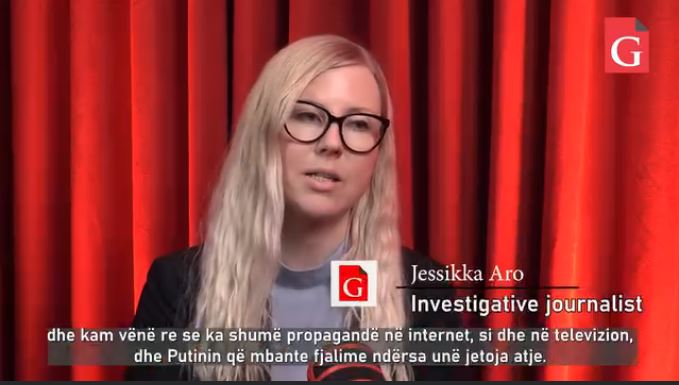
Finnish investigative journalist Jessikka Aro has said that the loss of the pro-Russian candidate in the recent elections in Hungary does not necessarily mean the failure of Russian propaganda, but is an indication that some audiences are becoming more aware and building resistance to online manipulation.
On the show "The Geotalks", Aro said that today there is still "a lot of hope", as people are increasingly realizing that Russian trolls exist on platforms like TikTok and Facebook, however he warned that there are still "large populations" that remain vulnerable to disinformation.
According to her, these groups often appear as "pockets" or "spheres of influence."
She cited the former East Germany as an example, where – according to polls – about half of respondents believe that NATO is responsible for the war in Ukraine, a narrative that Aro described as a conspiracy theory and disinformation pushed by the Kremlin.
"We still have a lot to do. And in the information war, there are victories for the Kremlin, and then there are massive losses, as was the case in Hungary," Aro said.
Aro said that one of the biggest dangers of disinformation is that it can "weaponize" real people, fueling hatred and anger to the point of engaging in conflicts.
She stated that more than a decade ago she had noticed that Russian propaganda was also being spread in Finland, spreading fake news and blaming Ukraine for the war, while - according to her - there were cases when Finnish individuals were lured to participate in the war in the Russian army.
The journalist also mentioned the 2016 US presidential election, where she said the real American audience was incited to take part in protests, some of them violent, organized through online invitations by trolls claiming to be American citizens.
Aro said that citizens should focus on the content and source of the message: what is actually being said and whether typical Kremlin narratives are being repeated.
She cited as examples of false narratives claims such as: "The US, EU and NATO caused the war in Ukraine", "Russia does not want war", or that "the war is an internal/civil conflict within Ukraine", emphasizing that these aim to shift blame and minimize Russia's responsibility.
She also recommended verifying sources and being wary of suspicious media/pages, as well as being vigilant about the profiles with which users engage on social networks.
Aro said she sees similar propaganda patterns in the Balkans, noting that she has examined the Russian information war in Serbia, where - according to her - researchers and journalists who publish information on Russian disinformation have been severely attacked, while Kremlin narratives are also spread by popular media.
"Attacks often include smear campaigns, fake news and coordinated troll attacks, which sometimes transcend the internet and turn into physical danger."
The Geopost
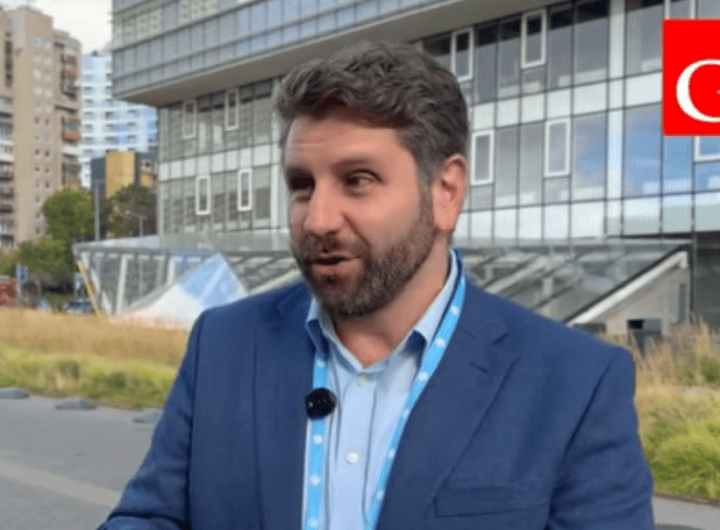 Fivenson: The Balkans must strengthen the fight against disinformation
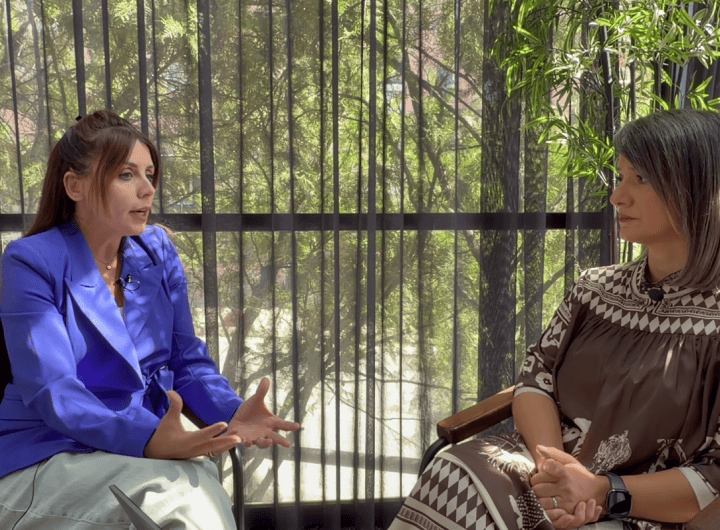 Klodiana Kapo on The Geotalks: Russian propaganda in Albania spreads mainly through Serbia
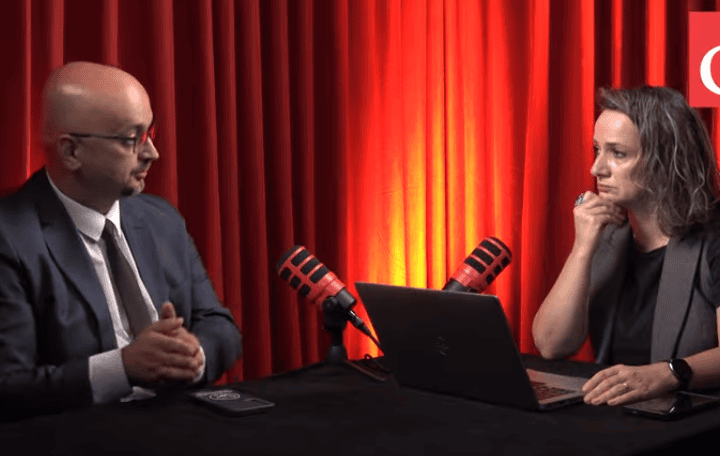 Espionage, propaganda and disinformation: How is Serbia's hybrid war against Kosovo unfolding? Security expert Drizan Shala speaks
 Vrajolli: Serbian nationalist statements are no coincidence, the "Serbian world" aims for influence in the region - a strong strategy is needed in the face of hybrid war
 Alban Zeneli on TheGeotalks: Information Manipulation and “Fake News”
 Sylë Ukshini: International recognition of Kosovo has buried the idea of Greater Serbia