
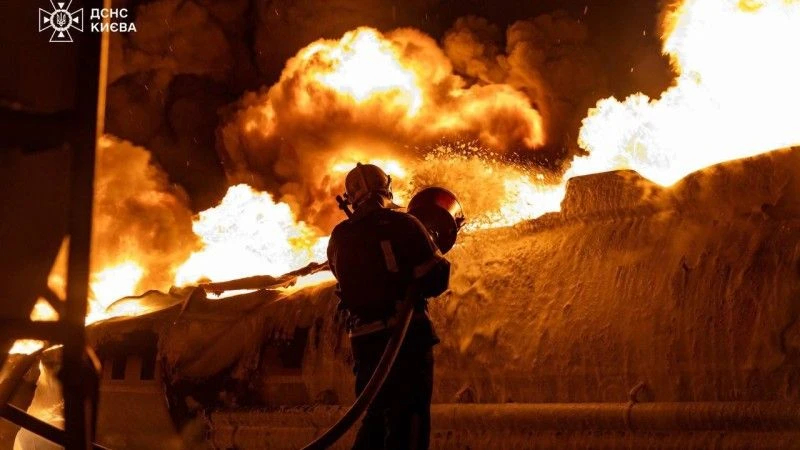
Russia and Ukraine have agreed to a two-day ceasefire, which is expected to come into effect on April 11 at 16:00 PM and last until the evening of April 12.
According to a statement from the Kremlin, Russian forces have been ordered to cease combat operations in all directions during this period.
However, the same statement states that Russian troops must remain on alert to respond to any "provocation" or aggressive action by the Ukrainian side.
Authorities in Kiev have confirmed the ceasefire. Ukrainian President Volodymyr Zelensky stressed that Ukraine had previously proposed similar ceasefires during Easter and called for concrete steps towards peace.
"People need a safe Easter and real steps towards peace, and Russia has a chance not to return to attacks even after Easter," he wrote on social media.
But it remains unclear whether the ceasefire will be fully respected. In previous cases, both sides have accused each other of violating interim agreements.
A similar situation occurred during Easter 2025, when Russian President Vladimir Putin unilaterally declared a ceasefire for about a day and a half. Although there was a reduction in the intensity of the fighting, reports indicated violations by both sides.
Meanwhile, efforts to reach a more lasting peace agreement remain stalled. The United States, which has taken on the role of mediator, is currently focused on developments in the Middle East.
According to observers, Russia continues to aim for complete takeover of the Donbas region, while Ukraine remains determined not to give up its territory.
The new ceasefire is seen as an opportunity limited to reducing tensions, but without guarantees for a lasting cessation of fighting.
The Geopost
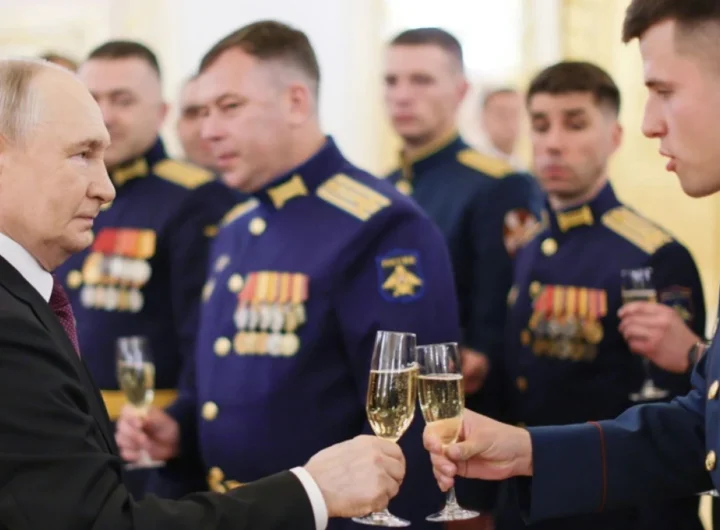 Putin uses anti-NATO narrative to mobilize new generation of Russian military
 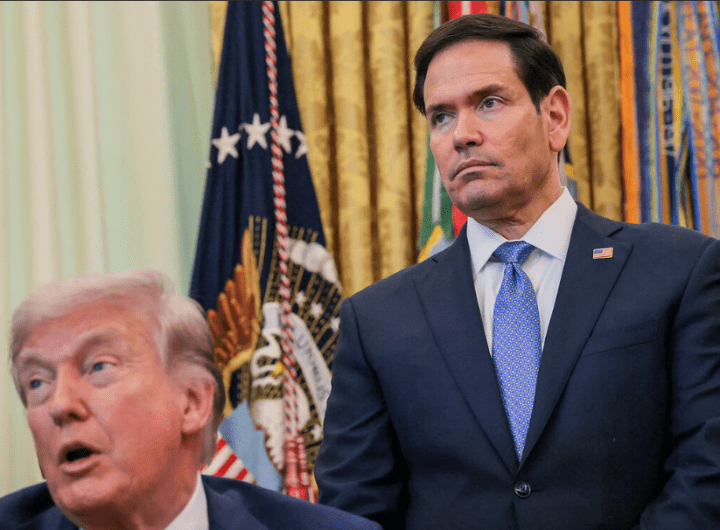 Rubio: Iran will not be allowed to impose tariffs on ships passing through the Strait of Hormuz
 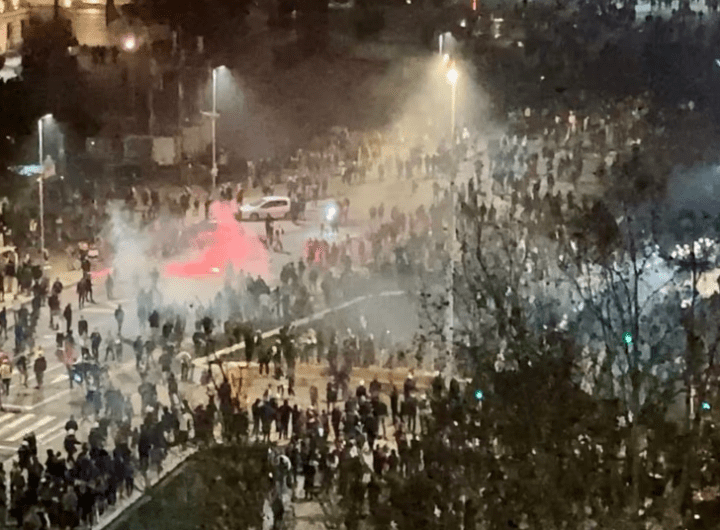 The "sonic cannon" case continues to haunt Serbia, the EU demands accountability
  Special Prosecution Office moves towards indictment for the massacre of the Jashari family in Prekaz
  "Mafia State": Why Today's Serbia Resembles Palermo of the 70s
  Iran to establish direct 'hotline' with US over Strait of Hormuz