
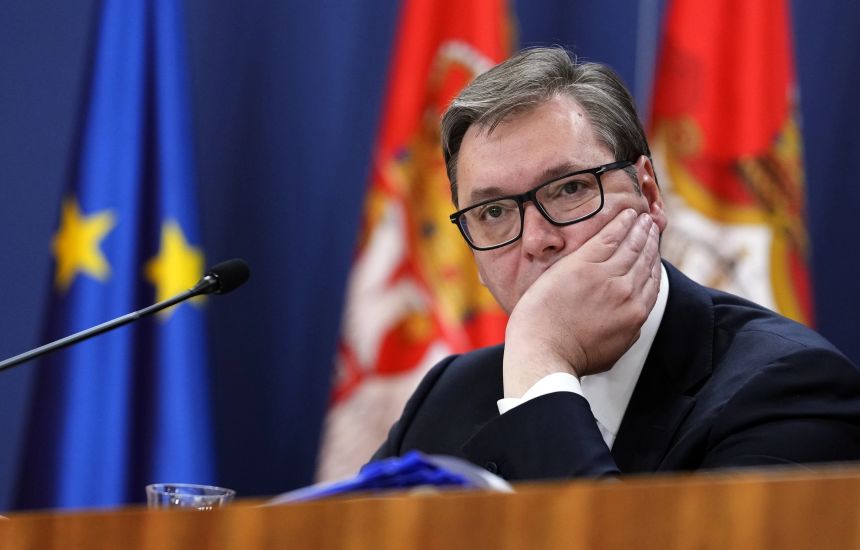
Serbian President Aleksandar Vučić has responded to criticism from the European Union following Ratko Mladić's funeral in Belgrade, shifting attention from the public glorification of a convicted genocide suspect to what he presented as pressure on Serbia.
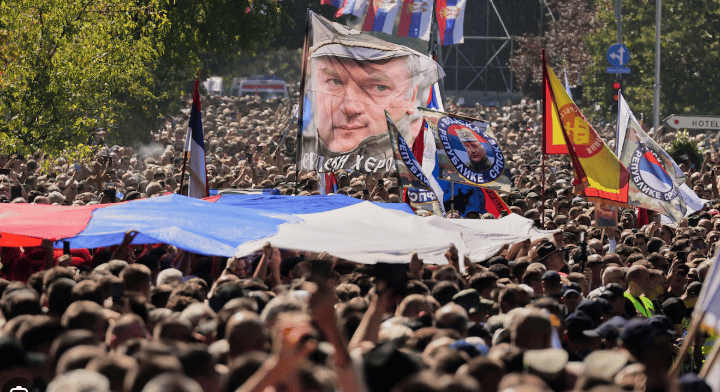
Mladic, who was sentenced to life in prison by the Hague tribunal for genocide, crimes against humanity and war crimes, was buried in Belgrade on Monday in a ceremony that displayed clear elements of respect for him. He is widely known as the "Butcher of the Balkans."
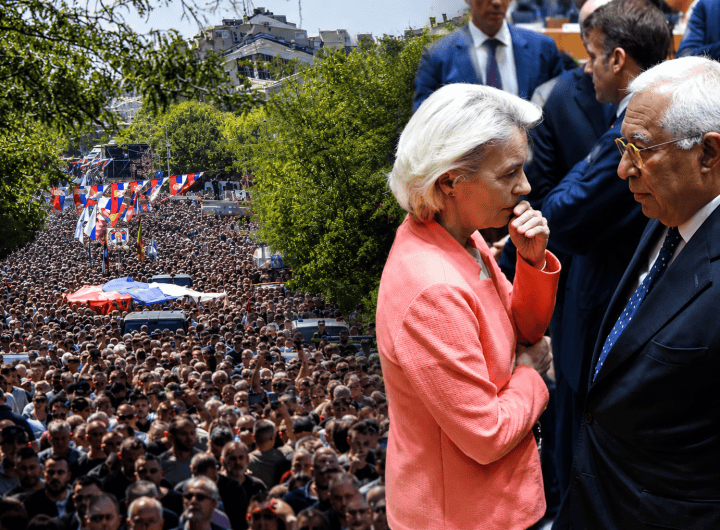
The funeral prompted a strong reaction from the heads of the two main institutions of the European Union, the president of the European Commission, Ursula von der Leyen, and the president of the European Council, Antonio Costa.
Both described the footage from the funeral as "shocking" and expressed regret over the presence of some Serbian officials, linking this to Serbia's failure to confront its past and the European values it claims to be moving towards.
"The elements of official support and the presence of some Serbian officials at the funeral are deeply regrettable," Von der Leyen and Costa said in their statements.
Instead of focusing on criticism of the way Mladic was handled, Vučić chose to challenge the European response itself.
In a statement to RTS, the Serbian president said he has respect for Von der Leyen and Costa, describing them as people who, according to him, "have always been on Serbia's side."
But, commenting on their reaction to Mladic's funeral, Vučić asked:
"How do you intend to define to people who can go to the funeral and who can't, and then be shocked by the images from Belgrade?"
With this statement, Vučić shifted the debate from the main issue – the glorification of a figure convicted of genocide – to the right of citizens to attend the funeral.
However, the criticism of European leaders was not simply related to the participation of citizens in the funeral. The focus was on the way in which a person convicted of genocide was accompanied with honors and, in particular, the presence and support of official Serbian elements.
After that, Vučić expanded the rhetoric to the issue of security, saying that Serbia must be aware of "its power" and its relationship with Europe.
He also claimed that Serbia is facing the creation of "military alliances" in the region.
"They have created military alliances! Croatia, Pristina and Tirana, not us! And now they say: Serbia is arming itself?", declared Vučić.
The Serbian president said that his country will continue to maintain peace and stability, progress and strengthen the army.
Thus, Vučić's reaction to the EU's criticism follows a familiar Belgrade narrative: instead of focusing the debate on responsibility for how Serbia deals with the legacy of the 90s wars and figures convicted of crimes, attention shifts to allegations of threats against Serbia and its victimization in the face of the West.
Mladic's funeral brought this very contrast back into the spotlight: while European institutions demanded that a person convicted of genocide not be glorified, scenes of reverence and official presence were seen in Belgrade.
And after Brussels' reaction, Vučić did not account for this contrast, but presented Serbia as a threatened and pressured party.
The GeoPost
 "The time has come for tougher measures": Picula calls for an end to EU tolerance towards Serbia and Vučić
  Serbs from the front in Ukraine with threatening messages for Kosovo (Video)
  Alarm from former US ambassador: The West must urgently change its strategy towards Serbia
  "Time for Serbia to face the consequences": Brussels changes tone after Mladic's funeral
  Bosnia expels two Serbian diplomats over Mladic glorification
  “Shocking sight”: EU leaders condemn glorification of Mladic in Belgrade