
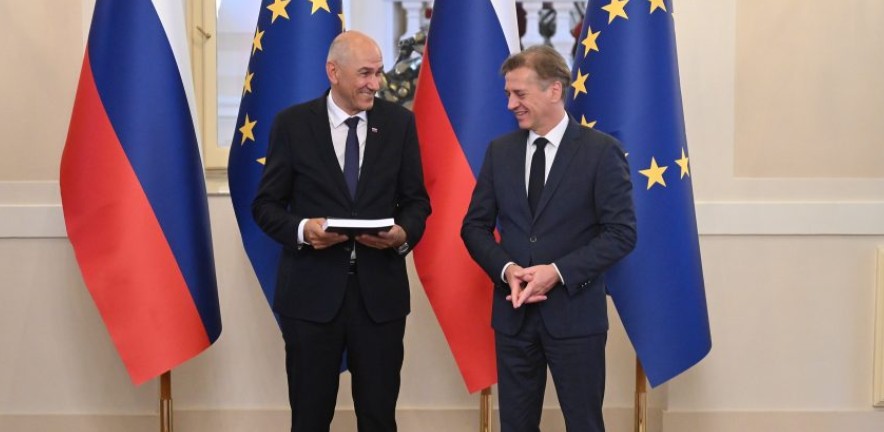
Slovenia's parliament has approved a new center-right government led by Janez Janša, ending four years of center-left rule by Prime Minister Robert Golob.
Janša was confirmed as prime minister on May 22, after managing to form a five-party coalition that controls 43 of the 90 seats in parliament. His government will also rely on votes from the pro-Russian Resni.ca party to pass some laws.
The return to power of Jansha, who previously served three terms as prime minister, is being closely watched in Brussels and the Western Balkans. His last term, from 2020 to 2022, was marked by accusations of weakening democratic institutions, pressure on the media and clashes with civil society.
During that period, his government was criticized for its use of decrees during the pandemic, political appointments at the public broadcaster, and continued attacks on journalists. Anti-government protests raged for months until his electoral defeat in 2022.
Concerns have returned even after the formation of the new government. Janša's coalition has announced reforms to the public broadcaster, restrictions on the funding of non-governmental organizations and changes that could affect the right to strike. There are fears in Brussels that his nationalist agenda could clash with European policies in areas such as women's rights, the LGBTQ+ community and climate policy.
Social democratic parties in the European Parliament have even called for the exclusion of Janša's party, SDS, from the European People's Party, arguing that there should be no place in the European democratic family for political forces that challenge the fundamental values of the European Union.
However, analysts point out that Janša cannot be fully compared to other illiberal Central European leaders such as Viktor Orbán or Robert Fico. Unlike them, he has strongly supported Ukraine since the Russian invasion of 2022 and has called for strengthening European defense and NATO.
Political science professor Tomaž Deželan believes that Janša will try to position himself as an influential figure in European security issues. He recalls Janša's visit to Kiev in March 2022, when, together with the leaders of Poland and the Czech Republic, he became one of the first Western politicians to visit Ukraine after the start of the war.
Beyond Brussels, Janša's return also has significance for the Western Balkans. He remains a vocal supporter of European Union enlargement to the region and has called for the gradual integration of candidate countries into European structures even before full membership.
However, his name continues to be associated with regional controversies. In 2021, an unofficial document proposing changing borders in the Balkans along ethnic lines was widely attributed to his office, although Janša denied any involvement. The document provoked strong reactions and raised concerns about potential destabilization in the region.
Analysts say Janša's return will be an important test of Slovenia's role within the European Union and its influence in the Western Balkans. While he aims to present the country as an important actor in European security and enlargement issues, criticism of illiberal tendencies and clashes with democratic values is expected to continue during his fourth term.
The GeoPost
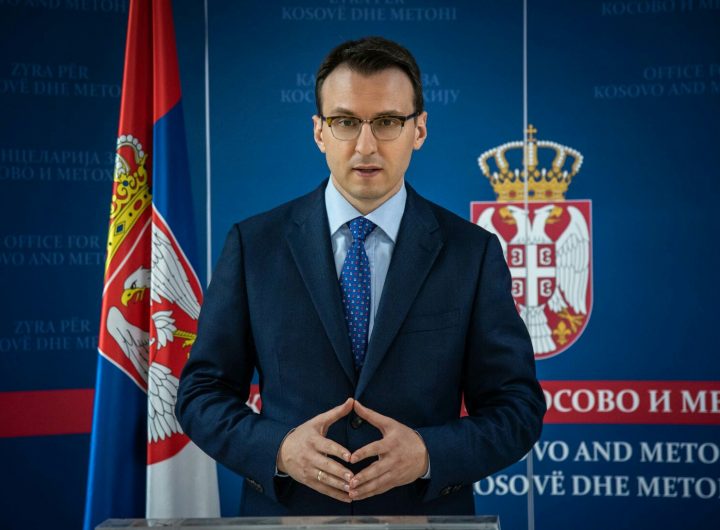 Harsh accusations from Belgrade: Petkovic defends Radoicic, accuses Kurti
 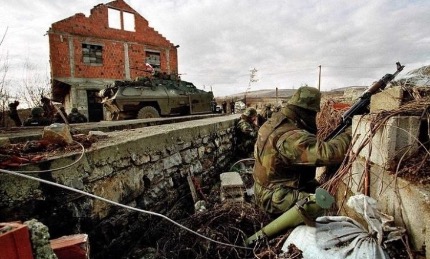 YIHR: Serbia denied war crimes over 110 times – including the Recak massacre, Srebrenica and the siege of Sarajevo
 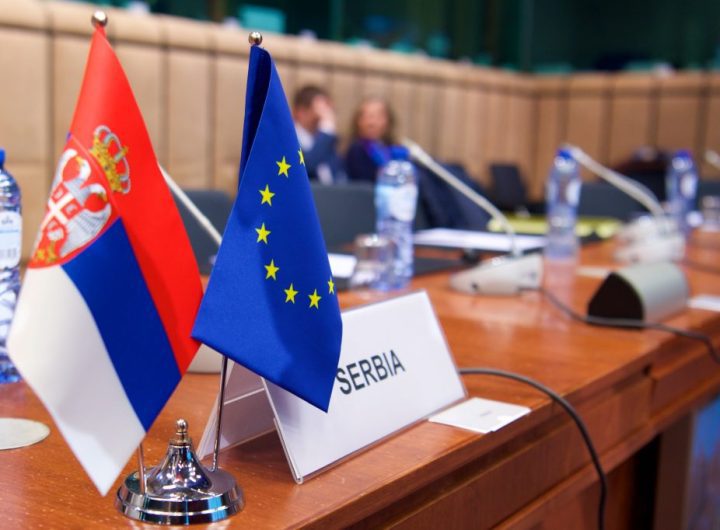 Serbia with the lowest support for EU membership in the Western Balkans
  "Vučić is afraid of the elections" - Manojlović harshly attacks the regime in Serbia
  Putin's portrait on the wall in a Herzegovina municipality: Brussels money, Moscow symbols
  Latvia signs EU agreement for €3.5 billion in defensive loans under SAFE program