
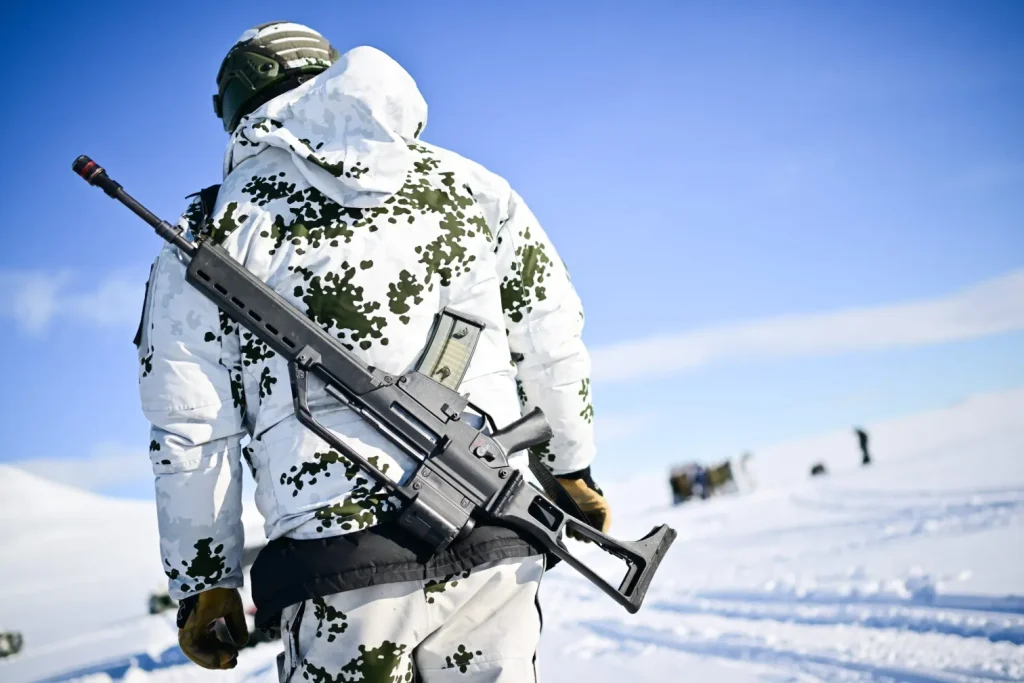
NATO officially launches long-awaited operation Arctic Sentry in February to significantly strengthen its presence in a changing Upper North.
The increased activity follows a new trend in NATO's regional response, building on the recent activation of Eastern Sentry and Baltic Sentry to strengthen maritime and air patrols.
The activation of Arctic Sentry occurs against the backdrop of Russia's war against Ukraine, which cemented the logic of NATO's Arctic Seven (that is, the seven alliance countries north of the Arctic Circle) against a The Kremlin is increasingly aggressiveRussian authorities feel vindicated by the perceived “enlargement” of NATO, even as they simultaneously become more vulnerable in a region where Moscow once held strategic dominance.
The initiative enables NATO members and military planners to coordinate and synchronize Arctic-related efforts under a single umbrella. In other words, it enhances existing multinational efforts around the poles among NATO member states.
The activity also clarifies the northern dimension of the alliance following the entry of Finland and Sweden. The Joint Forces Command in Norfolk, which will soon will be directed by a British admiral for the first time, will take the lead as part of a new and expanded area of responsibility which now includes all the Nordic countries.
However, much remains to be done to move the alliance towards Arctic coherence. Arctic Sentry could be NATO's opportunity to create an operational plan for the region.
Power in the Arctic depends on access and presence , and NATO can only be as strong as its ability to deploy and sustain a military force there.
Arctic Sentry embodies the logic of deterrence through presence. This includes a tailored approach to troop and equipment deployment, training and exercises, as well as logistics and operational support.
The activity improves patrols and overall regional awareness. This includes expanded NATO maritime patrols in the North Atlantic and Norwegian Sea, reinforced air policing missions in Iceland, and Danish and Swedish air patrols over Greenland Another promise is United Kingdom announcement that it will double the number of Royal Navy specialists stationed in Norway to 2,000 over the next three years. The Nordic countries have also organised, for example, by creating a Combined Air Operations Center in Norway and Advanced Land Forces in Finland in 2025.
Regarding training, the initiative will play a major role in multi-domain cold weather exercises. It includes major NATO exercises, such as “Arctic Resilience” and “Cold Response”. From 9 to 19 March, 14 NATO countries participated in “ Cold Response 2026″ in Norway and Finland, where about 25,000 soldiers were stationed. Despite transatlantic tension over Greenland, 3,000 American Marines and Airmen participated in the training.
But Arctic Sentry is just the beginning: NATO must now go further to ensure it remains secure in a changing Arctic. A key requirement is domain awareness technology.
The Arctic presents a unique and complex operational environment. The Atlantic Alliance must place autonomous and unmanned intelligence, surveillance and reconnaissance (ISR) capabilities at the heart of its regional operations.
This includes data fusion and intelligence collection enabled by artificial intelligence; space capabilities for communication, positioning and navigation; unmanned aerial and maritime systems; and autonomous and remote sensing technologies. The acquisition of such capabilities will also bring benefits to civilian-led activities, such as search and rescue operations, environmental protection and climate change mitigation.
Overall, remote access is key to addressing gaps in conventional Arctic surveillance, predicting current threats, and anticipating future challenges in a region characterized by vast distances and a harsh climate. For example, the recent launch of Task Force X in the Baltic Sea, an experiment with drones, data fusion and systems integration powered by artificial intelligence, could be easily expanded and replicated in an Arctic environment.
In this effort, NATO should particularly emphasize opposing war activities on the seabed from Russia and China, as well as develop modern anti-submarine warfare capabilities and advanced maritime patrol aviation.
Finally, as climate change creates new challenges, NATO will need to balance its human presence with remote access , a balance that will inform future procurement choices and capability requirements for Arctic operations.
While prevention requires a constant human presence and its demonstration, some operations are likely to be left entirely to modern technology in the not-too-distant future.
The Geopost
 "They don't want war" - Russia's military recruitment rate drops to lowest level
 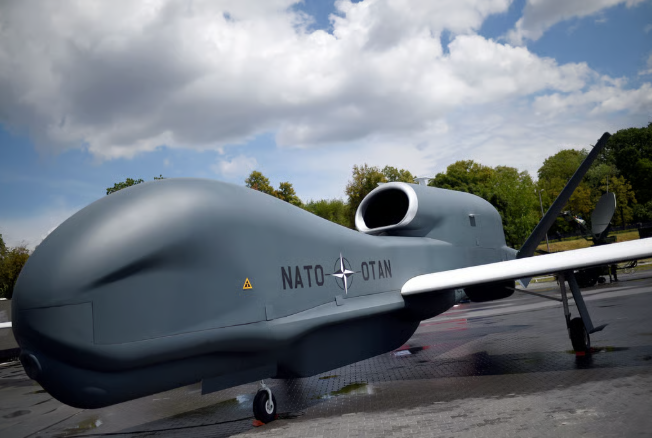 NATO allies consider accelerating drone purchases amid growing aerial threats
 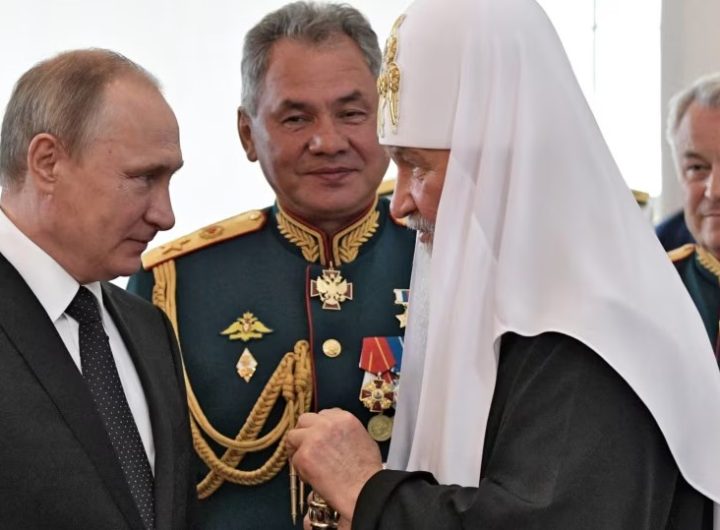 EU considers sanctions against Russian patriarch, chess federation head, others
 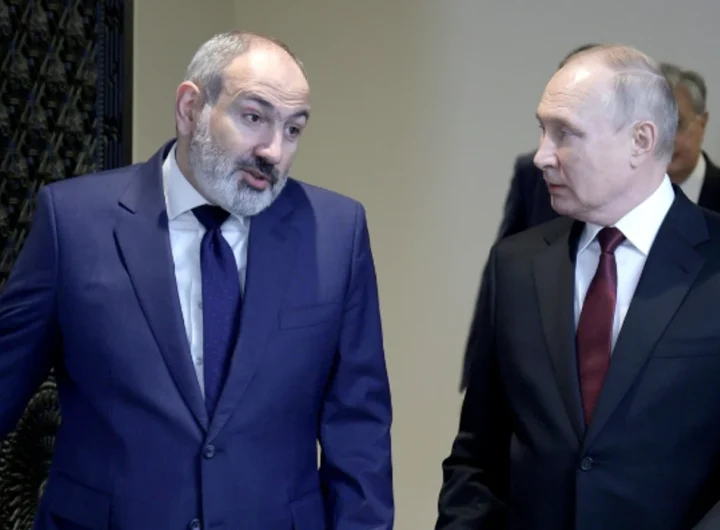 After victory in parliamentary elections, Armenian Prime Minister mocks Putin
  Finland, Norway, Latvia and Germany increase support for Ukraine, Zelensky calls for strengthening air defense
  "Iran-like scenario", why is there growing fear for Putin's safety?