
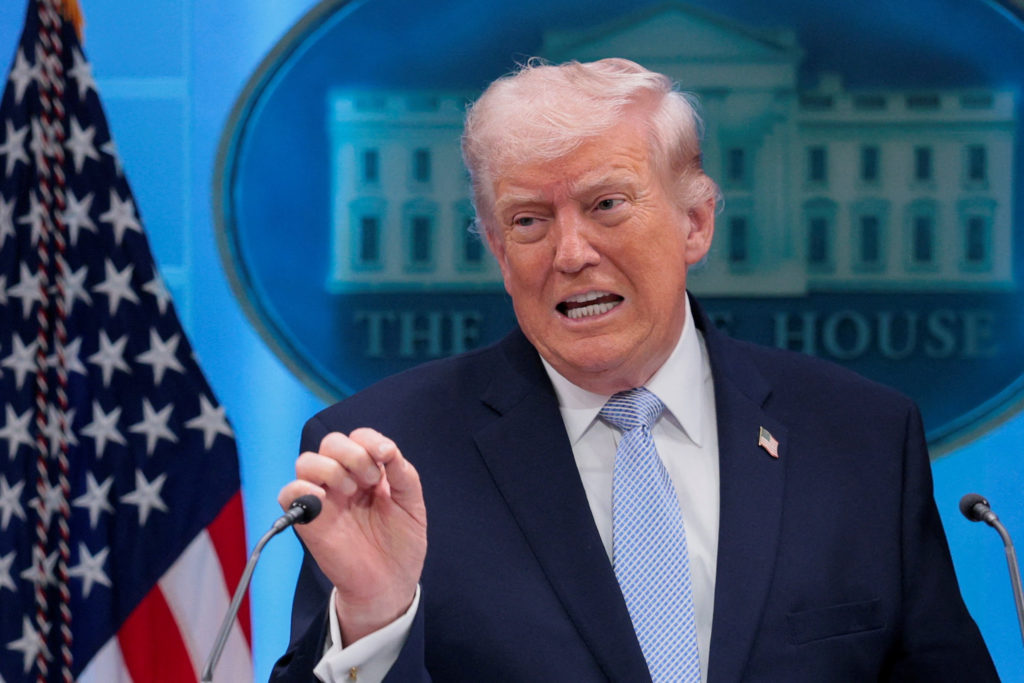
US President Donald Trump holds a press conference in the James S. Brady Press Briefing Room at the White House in Washington, DC, US, April 6, 2026. REUTERS/Evan Vucci
United States President Donald Trump said Washington and Tehran are still holding negotiations to end their conflict, even as attacks have intensified across the region, further increasing the risk of the conflict escalating into a full-scale war in the Middle East.
"We're talking to them. I think they're being serious," Trump told reporters at the White House, referring to Iranian negotiators.
"I think... they are much more serious than we have ever seen them before, but that doesn't mean we will reach an agreement. We will see what happens," he added on July 24.
Trump has often spoken about negotiations between the US and Iran, claiming at times that a peace deal is close to being reached, but the talks have failed and military action has resumed.
Asked if he had made a decision to resume full-scale attacks, amid media reports that he was meeting with his advisers on the issue, Trump replied: "No, I have not made such a decision."
"We are fully prepared and ready to act. But we are talking to them, so I think as we talk, we will see what comes out of this. I believe that ... they are very serious. They have to be," Trump said, without elaborating on how the talks were going.
His comments came after a day in which US forces struck targets across Iran, while Trump had earlier vowed "major military punishment" against Iran after three US service members were killed in Jordan and another lost his life in Iraq.
Trump's comments also came as attacks expanded across the region in the early hours of July 25. Saudi-led forces struck positions of Iran-backed Houthi rebels in Yemen after the group attacked Saudi ships in the Red Sea, actions that threatened to draw Saudi Arabia's ally Pakistan into the conflict.
“The Houthi military terrorist organization… targeted merchant ships in the Red Sea,” Saudi military spokesman Turki al-Maliki said on Platform X.
He added that the coalition had "undertaken a decisive and strong response", striking rebel military facilities that were used to threaten navigation in the Red Sea, and that "the military operation has now ended".
The US ally said it would continue to take necessary steps to protect its ships and other interests. He did not specify who the coalition members were, although it usually consists of Riyadh's regional allies.
Following the Saudi attacks, Houthi rebels claimed to have fired a missile towards the southern Saudi city of Jizan, while the kingdom's authorities issued brief warnings to residents there.
Pakistan condemned attacks by Houthi rebels on Saudi-linked ships. It also warned that any aggressive action against Pakistani-flagged ships or the country's maritime interests would be considered a "serious threat" that could lead to "lawful use of force."
Pakistan, a key mediator in the conflict between the US and Iran, is also an ally of Saudi Arabia. The Strategic Mutual Defense Agreement, signed between Saudi Arabia and Pakistan in September 2025, stipulates that “any aggression against either country will be considered an aggression against both countries.”
The Saudi attacks came after Houthi rebels announced they were imposing a naval blockade on Saudi-flagged ships in the Bab al-Mandeb Strait, in the Red Sea.
Rebels hit two Saudi tankers on July 23 and reportedly attacked another one late on July 24./REL
 Zelensky says Russia is preparing to take in 30,000 more North Korean troops and expand mobilization
 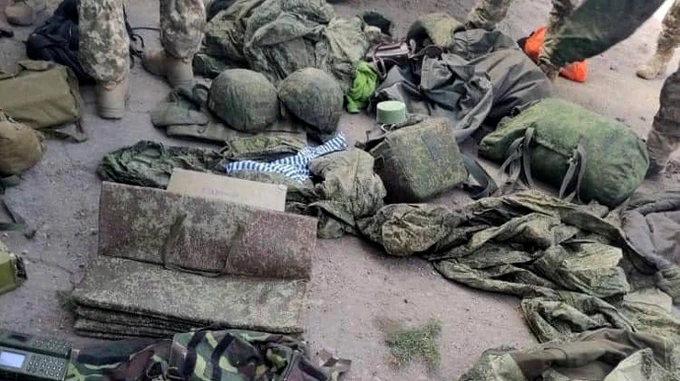 At least 3,589 foreigners have died fighting for Russia, including Serbian citizens.
 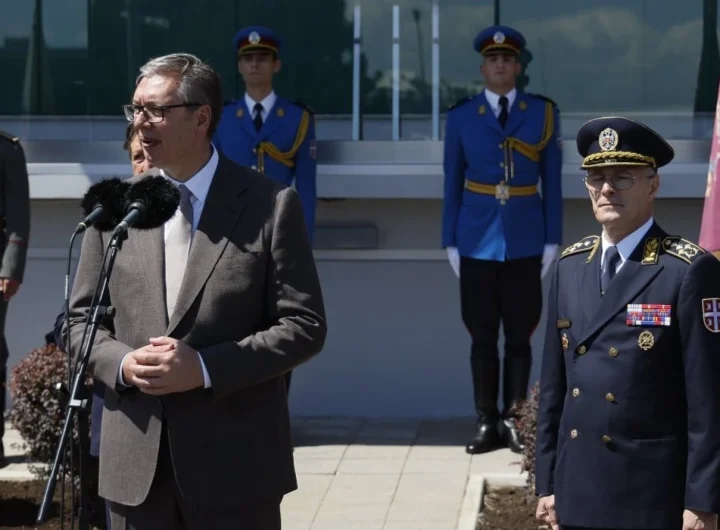 Threatening message from Belgrade: Vučić in front of soldiers with dangerous rhetoric against Kosovo
 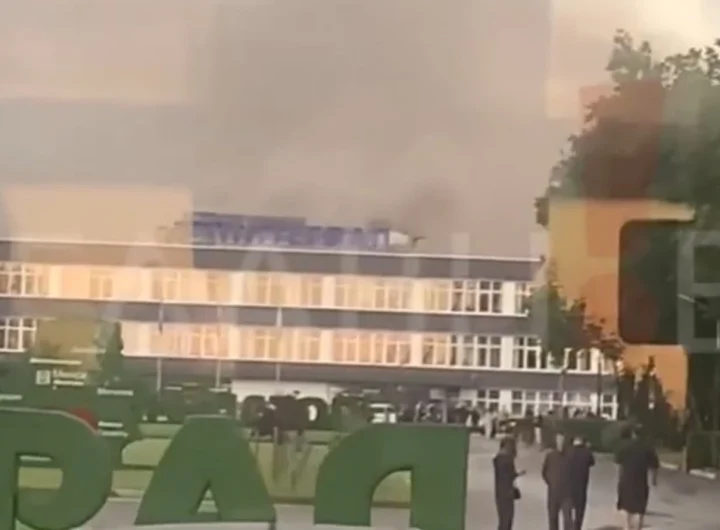 Belarusian factory producing components for Russian missiles catches fire
  EU unanimous on next sanctions package against Russia
  Karim Khan, the prosecutor who brought the case against Putin, is dismissed