
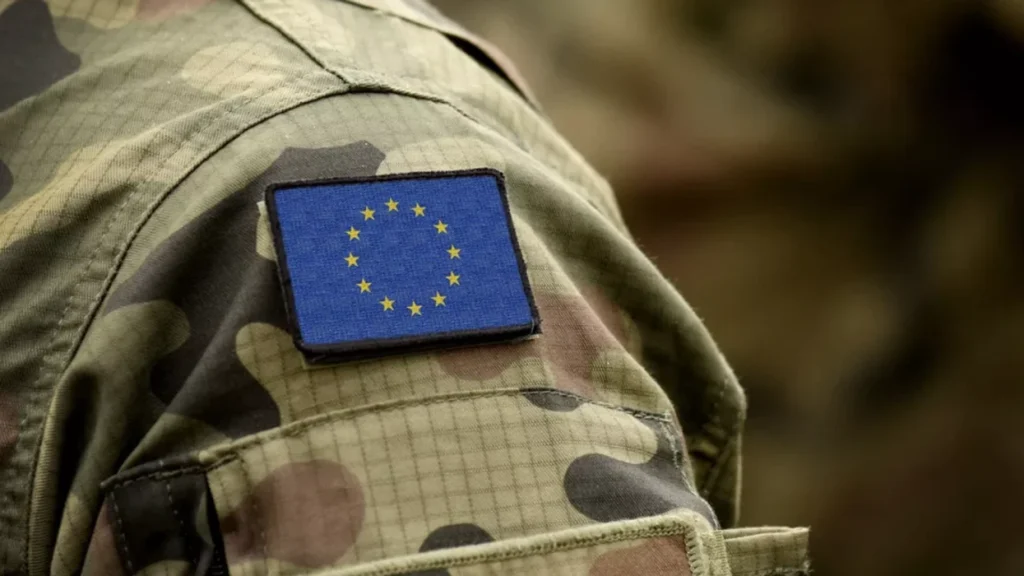
According to a new poll conducted by the security studies institute GLOBSEC, the majority of Europeans support the creation of a European Union (EU) army, with 71 percent in favor of the idea, at a time when concerns are growing about the credibility of US security commitments.
The “Trends 2026” report, published by GLOBSEC, found that support for an EU army was broad across the countries surveyed, reaching 82 percent in Romania, 78 percent in Lithuania and 75 percent in France.
Support was around 70 percent in Poland and Bulgaria, while 69 percent of respondents in Germany were in favor of the idea, despite traditional reservations in some countries about deeper European defense integration.
The survey covered 14 countries in the transatlantic region, including 11 EU member states, Ukraine, the United Kingdom and the United States.
The findings also showed strong support for strengthening Europe's defense capabilities alongside NATO rather than replacing the transatlantic alliance.
Some 78 percent of respondents in EU countries supported the bloc's development of its own defense capabilities alongside NATO, while 77 percent of respondents in NATO member countries said they would vote to remain in the alliance.
Support for increased military readiness also included compulsory military service.
Among respondents in countries where compulsory conscription is not practiced, 64 percent were in favor of its reinstatement, with the highest support in the Czech Republic, France, Germany and Slovakia.
According to the report, more than 80 percent of respondents believe that European countries should take greater responsibility for their own security if the US reduces its role.
Meanwhile, 60 percent support increasing defense spending, while a similar percentage said they would personally defend their country in the event of an attack.
However, confidence in Europe's ability to defend itself remains limited.
Only half of those surveyed believe that Europe can guarantee its security without strong US support, while only a third consider their country prepared for a major crisis or war. /AA
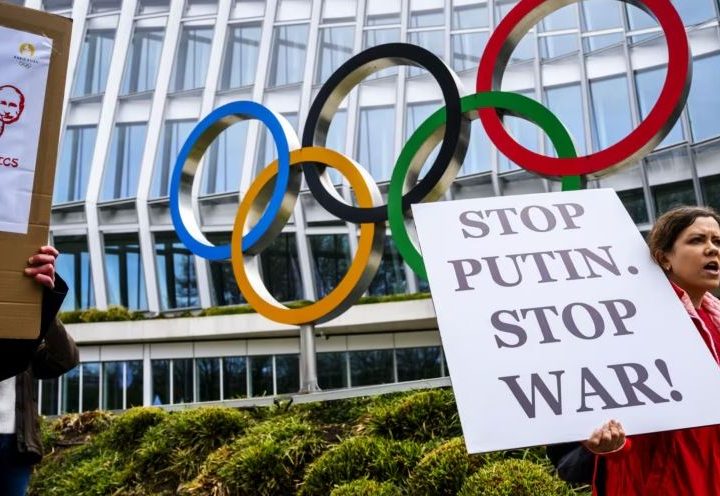 Visas, Sanctions, Money: How the EU Plans to Extend Bans on Russian Athletes
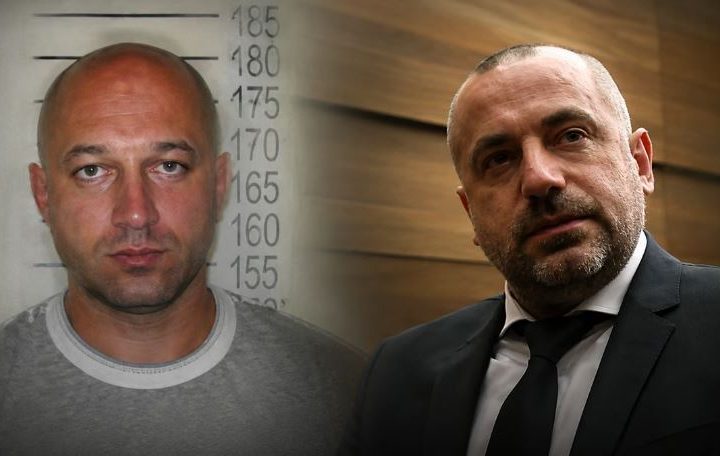 Radoicic and Veselinovic brothers used Bosnia to flee Serbia, analysts warn of political and criminal networks
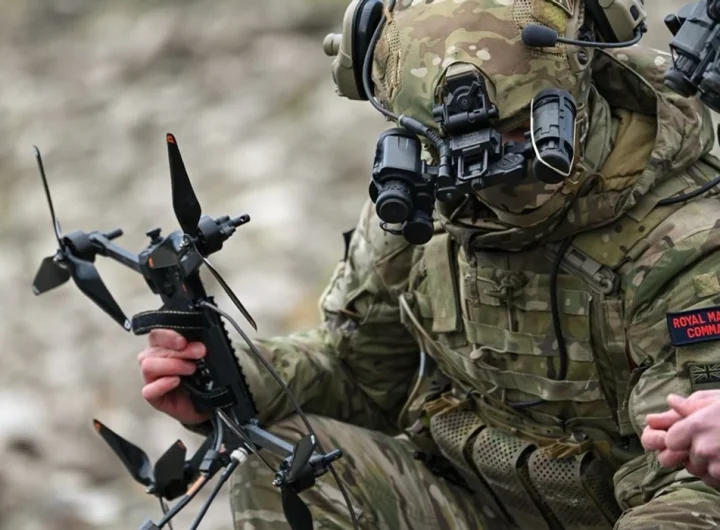 Germany tests suicide drones in Lithuania, allies learn lessons from war in Ukraine
 Trump warns of major new attacks on Iran after New Year if diplomacy fails
 Bakic in the Serbian Parliament accuses the former government of links to organized crime, mentions Radoicic, Veselinovic and Belivuk
 Student List continues Vučić's narrative on Kosovo, opposes draft law on cultural heritage