
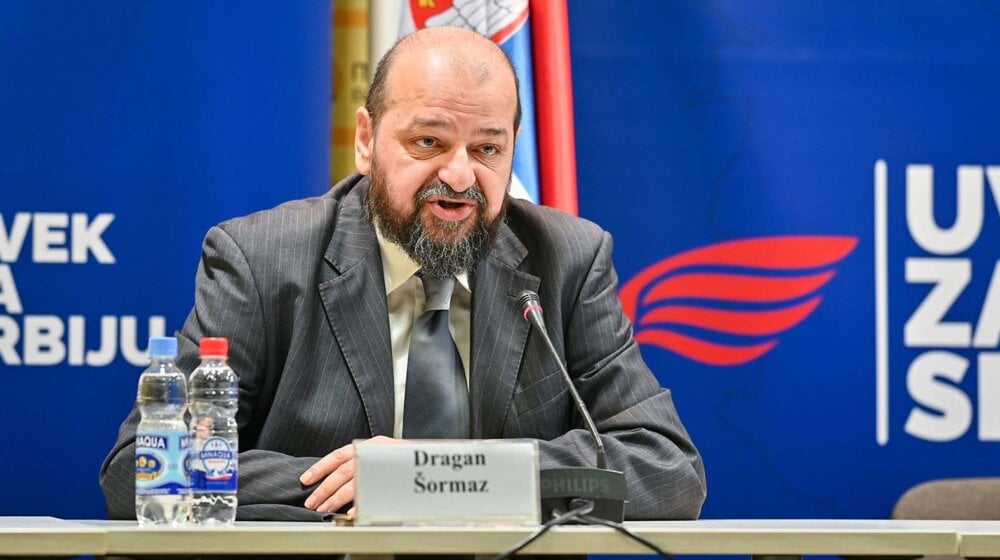
Dragan Shormaz for The Geopost
The turbulent start of 2026 has laid bare, to the extreme, the scale of collapse and the strategic dead end in which Serbia finds itself under the grip of Vučić’s regime. The arrest of Nicolás Maduro and the introduction into operational use of Trump’s new, robust approach to confronting the global axis of evil made up of corrupt autocrats and heads of state-sponsored drug cartels has triggered an unprecedented level of nervousness in Vučić himself and his loyal attack dogs. Thus, Trump—who after his electoral victory was hailed by them as a “Serb”—almost overnight became a global bandit, pirate, and destroyer of international law.
What is most hypocritical in the regime-wide mourning of the fate of Vučić’s Venezuelan strategic partner is the fact that they uttered not a single word about the incomparably more serious violations of international law and mass crimes committed in recent years by Putin’s regime through its brutal aggression against Ukraine. From this case it is clear that Vučić’s radicals collectively dreamed of the Russian army on the Danube, the collapse of NATO, and the disintegration of the North Atlantic partnership of democratic, civilized countries. Instead, Trump clearly demonstrated his determination to confront the axis of evil worldwide, shattering the dream of his former ardent supporters in Serbia.
However, what is most worrying in Serbia’s case is that, following the collapse of the vision of world order in which he invested all his political capital, Aleksandar Vučić himself has completely lost his compass, along with the little political and mental rationality he once possessed. And that is what seriously endangers the fate and future of the entire country. Why is that so? Why was Serbia the only European country present at the inauguration of Maduro, who is not recognized as the president of Venezuela by democratic states? Ana Brnabić, who attended, made an effort—with that bizarre story about a Venezuelan soldier greeting Vučić by beating his (un)heroic chest—to emphasize the great love between Maduro and Serbia. Since in politics and international relations everything is about interests, let us ask: what interest could possibly connect Maduro and Vučić, if we know it is not oil?! Serbia does not buy oil from Venezuela! Given that hardly a single arrest of criminals trafficking cocaine from South America to Europe takes place without someone from Serbia being among those arrested, perhaps the U.S. DEA knows the answer to that question?! Time will reveal the truth.
In his address toward the very end of last year, Vučić announced the spending of new billions on military rearmament (which also includes a corruptive tithe to his regime), representing a completely inefficient use of funds. Due to the insistence on the outdated concept of military neutrality, Serbia today is the only country in Europe without a single ally! And it is clear to everyone that such a state and its army have no real strength whatsoever, nor any genuine capacity to protect the national interests entrusted to them.
What was also indicative in Vučić’s address was that he did not mention the EU even once, nor his promise that by the end of 2026 he would complete everything necessary for Serbia’s membership in the Union. This is a clear signal that Vučić, on behalf of Serbia, has chosen self-isolation and the cessation of further fulfillment of the conditions for EU membership. For Serbia’s citizens, this means even less democracy, fewer free media and a fair democratic contest, and more poverty, lagging behind the developed democratic world, and toxic Russian propaganda aimed at turning Serbia into a European Venezuela.
Vučić also failed to mention that Serbia’s economic growth in 2025 was barely 2 percent instead of the projected 4–4.5 percent. For Serbia to reach the level of development of a country like Slovakia, it would need to achieve annual growth of at least 7 percent over the next 20 years—and that without inflation, which today places Serbia among the five worst countries in Europe in terms of citizens’ purchasing power, and assuming that Slovakia would not increase its own economic growth during those 20 years! Therefore, without the European market, without European funds, and without European investments, Serbia will regress, with no chance of achieving the economic development Vučić talks about. Still, for most people in Serbia it has become clear that Vučić is either lying or speaking about things he knows nothing about.
The absence of a strategic vision for the country’s development and the existence of blind faith in radical illusions from the 1990s are further evidenced by new announcements of building an oil pipeline to Hungary to continue supplying Russian oil, even though EU institutions have made a firm decision that by the end of 2027 member states will completely stop buying oil and gas from Russia. This is also demonstrated by the fact that imports of Russian gas into the EU in 2025 fell by as much as 44 percent, reaching a level lower than gas imports from the Soviet Union during the Cold War. Gas prices on the European market in December 2025 were about 10 percent lower than they were in December 2011. The purchase of Russian gas in Serbia is not transparent and we do not know the real price, but I am certain it is not lower than when the EU buys on the open, free market.
Serbia under the regime of Aleksandar Vučić represents a country without any real prospects or chance to catch up with its European and NATO neighbors. This is reflected not only in the living standard of the population, but also in technological backwardness and a lack of capacity for the state to deal with modern security challenges. Such a Serbia can only suffer the same fate it experienced in the 1990s, which it squandered on lost wars and misguided strategic decisions.
Only full democratization, the rejection of toxic ties with Russia and China, and membership in the EU and NATO can turn Serbia into a healthy and normal European society. Everything else consists of delusions that we will pay for dearly in the near future that lies ahead./The Geopost/
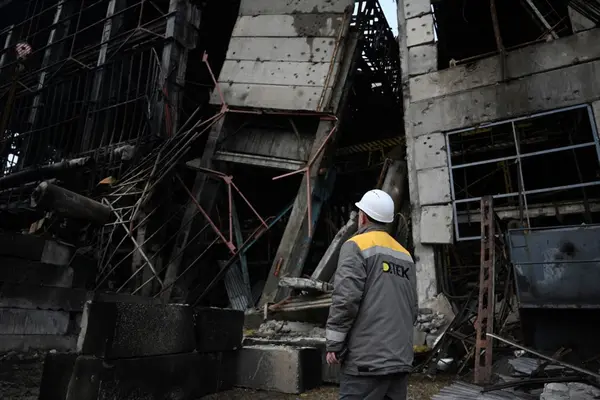 SBU: Russian attacks on energy infrastructure are crimes against humanity
 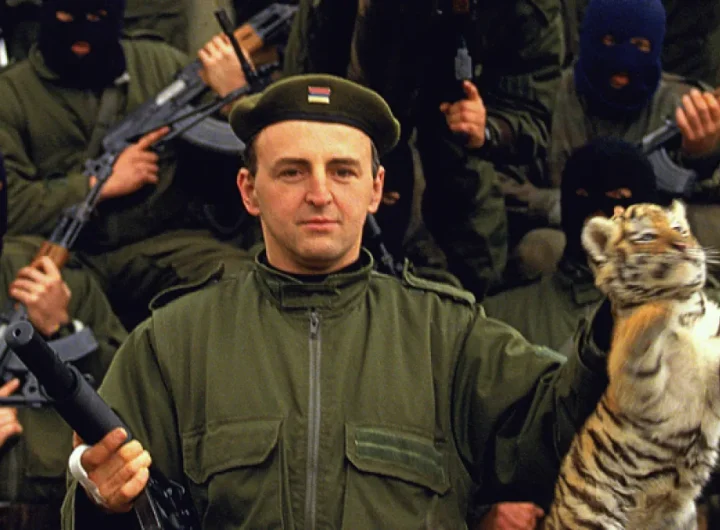 Killed in a hotel lobby in Belgrade: 25 years since the death of Arkan, the infamous serbian paramilitary leader
 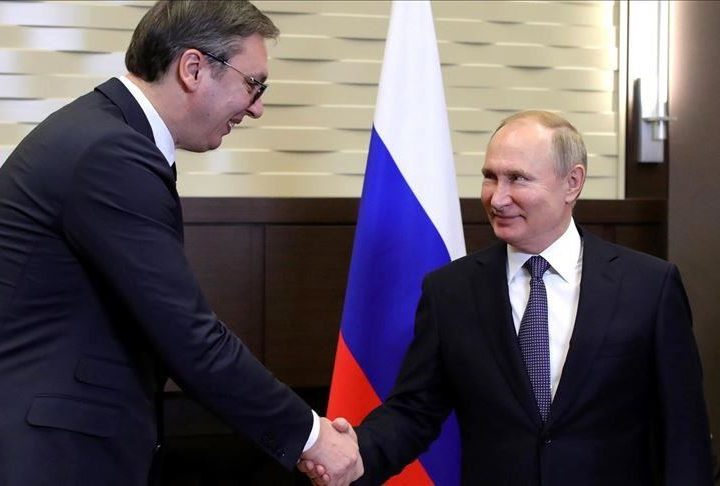 Serbia let Putin’s spies zap dogs with ‘sound cannons’
  China posts first annual decline in trade with Russia since 2020
  Is Serbia heading toward a Serbo-Maidan?
  How the shooting in Deçan was turned into a propaganda narrative of an “attack on Serbs”