
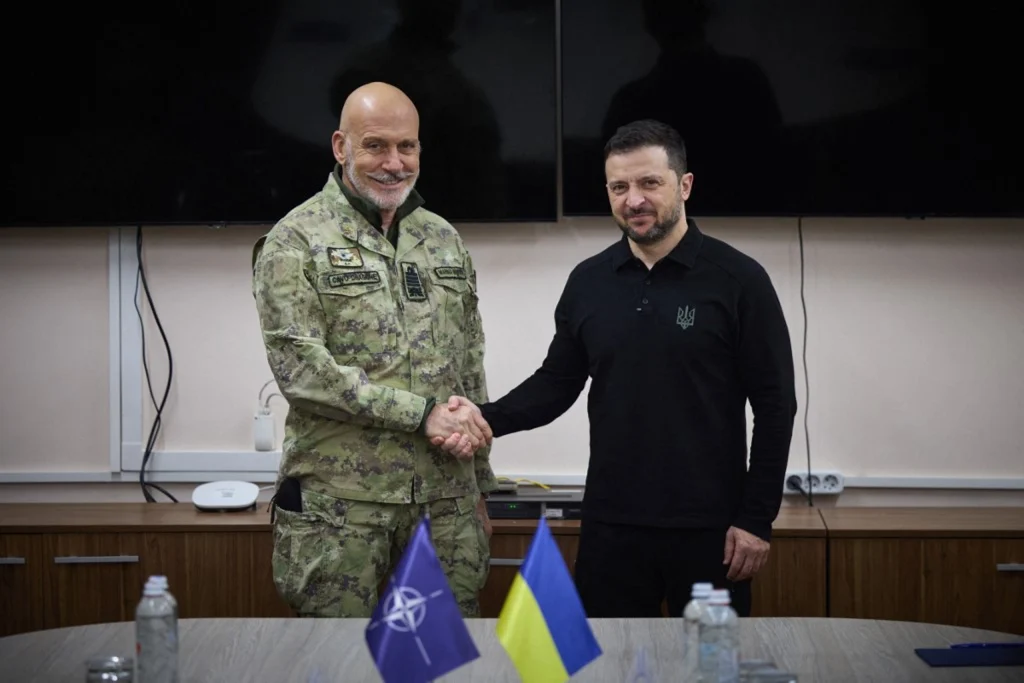
The Armed Forces of Ukraine (AFU) said on Friday, August 28, that they had completed the sixth cycle of a NATO-supported program aimed at strengthening the psychological resilience of service members and restoring combat readiness.
The program, offered as part of NATO's Comprehensive Assistance Package for Ukraine, held 34 training seminars in July and August for more than 1,000 Ukrainian service members from various branches and categories, according to the General Staff.
"The seminars were not limited to the defined training program; they also allowed for a quick response to additional requests targeted by military unit commanders," the General Staff said in a statement, KyivPost writes.
NATO-supported activities
The overall coordination of NATO project activities is carried out by the Main Directorate for Psychological Support of AFU Personnel.
According to the General Staff, the directorate collects requests from military units and determines where practical seminars are needed.
The Officers' League, a Ukrainian non-governmental organization (NGO) that has been working on psychological support for AFU personnel since 2014, is implementing the project.
Recovery after the battle
The training focused on strengthening the psychological resilience of personnel, including developing self-help skills and the ability to assist other soldiers in acute stress situations.
Continuous exposure to violence and death has significantly increased the risk of post-traumatic stress disorder (PTSD) and other mental health problems, including anxiety and depression, among both Ukrainian servicemen and civilians.
A 2025 clinical study by Phillip Hyland et al. of 590 active-duty, combat-exposed Ukrainian service members recruited from military hospitals and rehabilitation centers found that 67% of the soldiers were diagnosed with either PTSD or complex PTSD (CPTSD), as well as major depression.
According to the European Policy Centre (EPC), citing a WHO Health Needs Assessment published in February, 70% of the Ukrainian population reported experiencing chronic stress and other mental health problems.
Meanwhile, Russia is considering intensifying ballistic missile attacks on Kiev and other parts of Ukraine after concluding that peace negotiations have "reached an impasse."
Bloomberg, citing anonymous sources close to the Kremlin on Wednesday, August 26, said that Moscow increasingly sees Ukrainian attacks as attacks by NATO because members of the alliance supply Kiev with weapons and intelligence.
The GeoPost
 Serious threat from a Serbian channel on Telegram: "Novi Pazar will become the new Vukovar, Sjenica the second Srebrenica"
 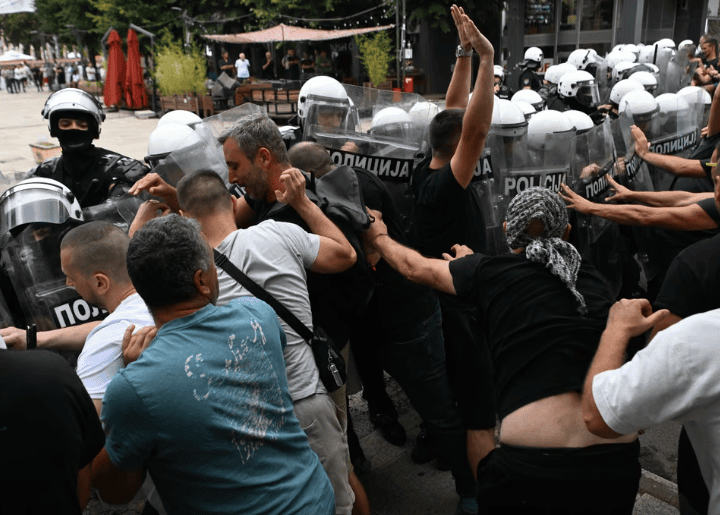 Clashes and tear gas in Serbia, European Democrats hit out at Vučić: He is not ready for fair elections
 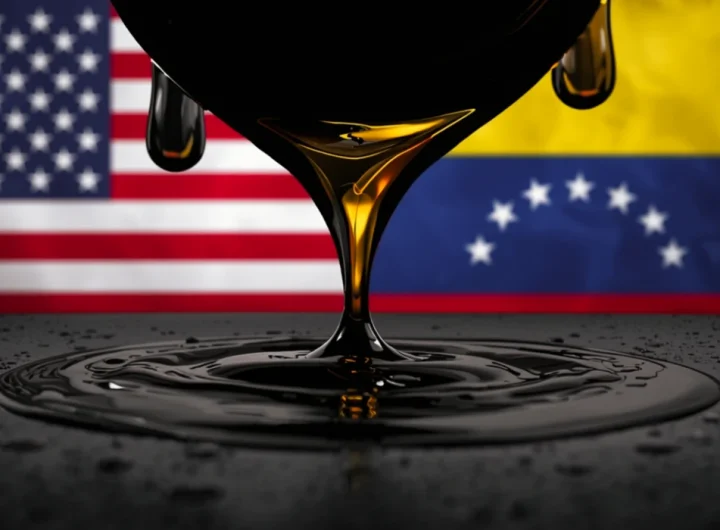 Venezuela aims for billions from oil: Agreement with US remains in force for 25 years
 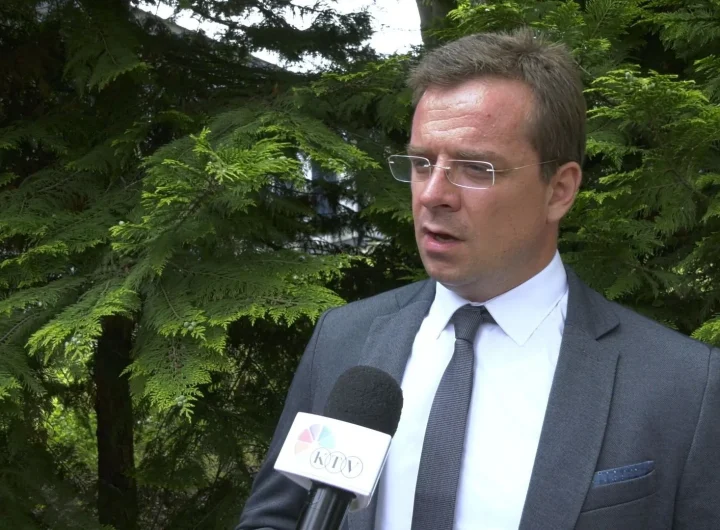 Belgrade lawyer targeted by Serbian Interior Ministry: The reason is the connection between Vučić and Sarajevo Safari?
  Who is the only politician in the world who expressed condolences for the death of war criminal Ratko Mladic?
  Bild and The Telegraph write about possible scenarios of a Russian attack on NATO