
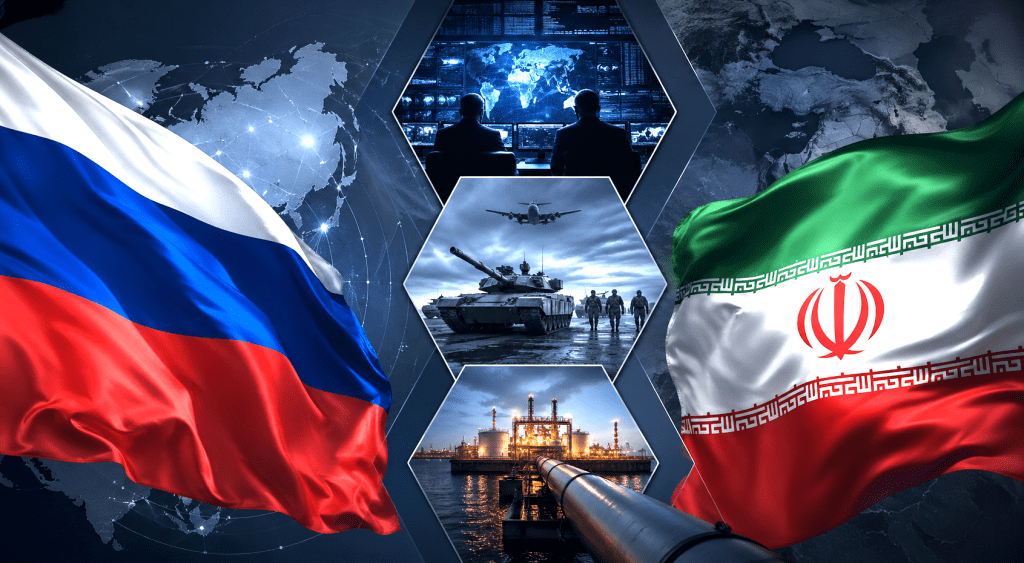
As tensions escalate simultaneously in Ukraine and the Middle East, the perception is growing that these are no longer two separate conflicts but part of a broader geopolitical clash. Against this backdrop, Russia's role is becoming increasingly complex as it struggles to maintain influence on several fronts simultaneously.
A high-level contact last week between Russian President Vladimir Putin and senior Iranian officials has brought the strategic relationship between Moscow and Tehran back into focus. However, experts say the relationship is characterized more by "strategic ambiguity" than open military engagement.
Professor emeritus at George Mason University and fellow at the Atlantic Council, Mark Katz, in an interview with Radio Free Europe/Radio Liberty, estimates that Russia is providing Iran with limited support, mainly in the form of information and technical assistance for drone and missile operations, without directly engaging in the conflict.
According to him, Moscow is trying to help Tehran while maintaining room for deniability, so as not to face a direct reaction from the United States. This strategy is also related to the Kremlin's efforts not to strain relations with US President Donald Trump, especially at a time when Washington's policies towards Ukraine have a direct impact on Russian interests.
Katz emphasizes that Iran needs Russia's support more now, especially after recent strikes by the US and Israel. However, he notes that the Kremlin is avoiding clear public commitments, maintaining strategic flexibility.
One of the key issues remains Iran's request for S-400 air defense systems. According to Katz, Russia has not given a firm answer, but the hesitation is related both to its own military needs and to the risk of straining relations with the Gulf countries, which are important economic partners for Moscow.
At the same time, recent developments have produced unforeseen consequences for Russia. Gulf Arab states are moving closer to Ukraine, seeking cooperation on air defense in the face of Iranian threats. This development is seen as a side effect that does not suit the Kremlin.
According to Katz's analysis, Russia's main objective remains the survival of the Iranian regime and the weakening of American influence in the region. However, he warns that balancing between the opposing sides is becoming increasingly difficult for Moscow.
"If the escalation continues, Russia may be forced to choose its side more clearly - a move that would have major consequences both in the Middle East and in the war in Ukraine," he estimates.
In this context, it remains unclear whether the Kremlin sees Iran as a long-term partner to defend itself, or as a strong card for potential negotiations with the West – a dilemma that, according to experts, is increasingly being posed even in Tehran itself.
The Geopost
 EU expands sanctions against Russia over deportation of Ukrainian children
 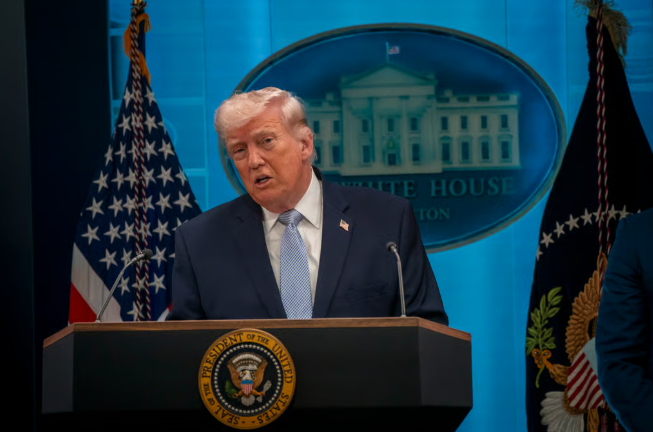 Trump: "Operation Freedom" begins in the Strait of Hormuz on Monday
  Germany and the US share a common stance on Iran
  Israel approves deal to buy fighter jets from US
  Finland says a drone is suspected of violating its airspace
  Netanyahu: Buying fighter jets from US will strengthen Israel's air superiority