
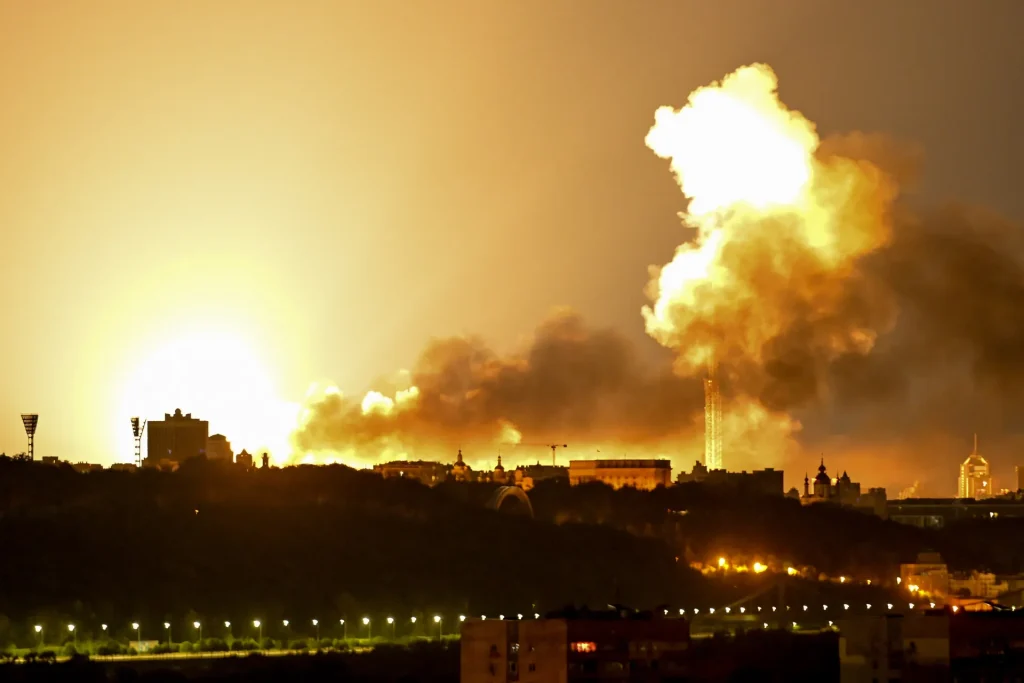
Kiev hopes that US-brokered peace talks with Moscow will yield results before winter, while Ukrainian officials are concerned about shortages of anti-missile systems and signs that Russia may be preparing a new mobilization.
President Volodymyr Zelensky told lawmakers from his Servant of the People party in late May that Kiev sees what he described as a realistic opportunity to end the war, according to two people familiar with the matter.
Zelensky's chief of staff, Kyrylo Budanov, later publicly reiterated this assessment, saying it was realistic to end Russia's war against Ukraine before the winter of 2026. Although Budanov has a history of making optimistic predictions about the war that have not materialized, this time, his comments come in more encouraging circumstances.
Recently, both expert analysis and public debate increasingly suggest that the tide of the war is turning in Ukraine's favor.
Russian offensives have stalled, Ukrainian long-range attacks are intensifying and expanding deeper into Russia, and Moscow has failed to achieve the battlefield advances it promised.
But officials speaking to the Kyiv Independent describe a much more complicated picture they see behind closed doors.
US-brokered peace talks have been effectively frozen since February.
Since then, Washington has been consumed by the war with Iran, which Ukrainian and American officials say became the main reason why the talks lost momentum.
Meanwhile, on the battlefield, developments appear to favor Ukraine.
In May, Ukraine liberated more territory than Russia occupied — marking the first time since 2023, according to Ukrainian monitoring group DeepState.
The shift reflects months of gradual changes along the front.
Russian advances have underperformed compared to previous campaigns, while Ukraine has slowly begun to create conditions for localized counterattacks and expand its campaign of deep attacks against targets inside Russia.
Moscow has failed to generate momentum during its spring offensive and has not been able to capture territory on a scale comparable to previous years.
These developments have fueled growing optimism among military observers.
However, Ukrainian officials say the positive headlines obscure weaknesses that could become much more serious in the coming months.
One of the clearest public signs of these concerns appeared when Zelensky sent a letter to US President Donald Trump warning him about the growing lack of air defense systems in Ukraine, particularly anti-ballistic missile capabilities.
"(The letter) is related to the attacks on Kiev, Russia's plans for further attacks and the fact that it is currently difficult to secure supplies," said a Ukrainian official, who was granted anonymity to discuss sensitive matters.
“Air defense is just a daily necessity; with anti-ballistic defense it’s really difficult… so we’ve reached the point where we’ve written the letter.”
There has been no public reaction from Trump, and the White House declined to say whether the US president had received the letter.
Zelensky's adviser, Dmytro Lytvyn, told reporters on June 4 that Kiev had received a response from Trump, but declined to disclose the content of the response.
"It's a technical issue, so we won't go into details," Lytvyn said.
Zelensky's plea to Trump comes at a time when Russia is intensifying attacks on the Ukrainian capital.
Russia launched one of the largest air strikes of the full-scale war on the night of June 2, targeting several Ukrainian cities, including Kiev, with missiles and drones. Across the country, at least 23 people were killed, including two children.
A week earlier, on May 24, Moscow carried out an even larger attack with missiles and drones, primarily targeting Kiev and the surrounding region. More than 100 people were injured, with damage reported in every neighborhood of the capital.
Both attacks involved dozens of missiles of various types, a challenge to Ukraine's air defenses.
According to a senior government official familiar with the matter, some Patriot missile batteries are operating with critically low stocks of interceptors because Kiev continues to face difficulties securing supplies of US-made missiles.
Zelensky's letter highlights broader concerns about the Priority Requirements List for Ukraine (PURL), a mechanism that allows NATO allies to fund US arms purchases for Ukraine.
"The current pace of deliveries through the PURL program is no longer matching the reality of the threat we face," the letter states.
According to a person familiar with the matter, the issue is not a lack of funding from allies, but rather the pace of deliveries and difficulties in obtaining PAC-3 Patriot interceptors, essential for Kiev's defense against ballistic missiles.
The GeoPost
 EU considers sanctions against Russian patriarch, chess federation head, others
  After victory in parliamentary elections, Armenian Prime Minister mocks Putin
  Finland, Norway, Latvia and Germany increase support for Ukraine, Zelensky calls for strengthening air defense
 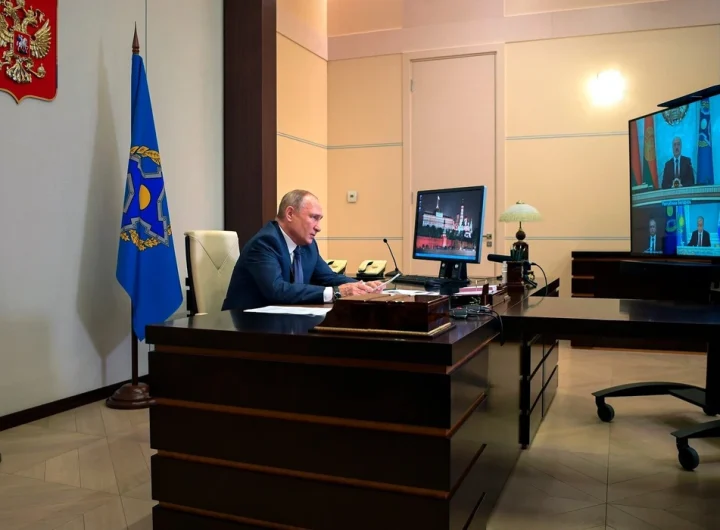 "Iran-like scenario", why is there growing fear for Putin's safety?
 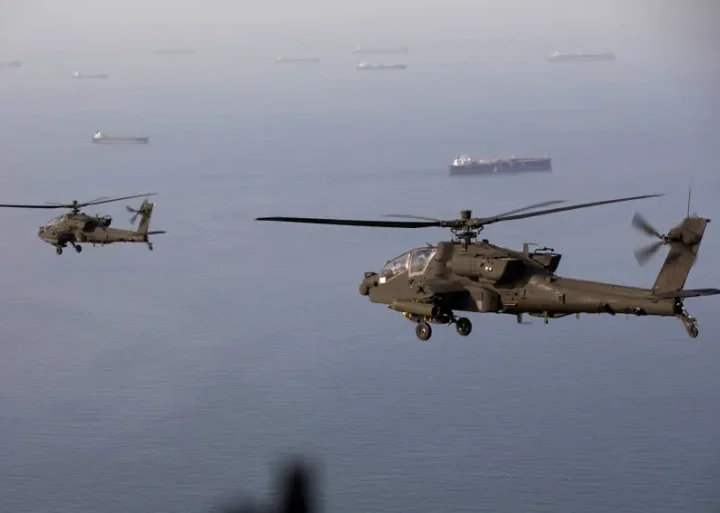 US military launches strikes on Iran after Apache helicopter downed
 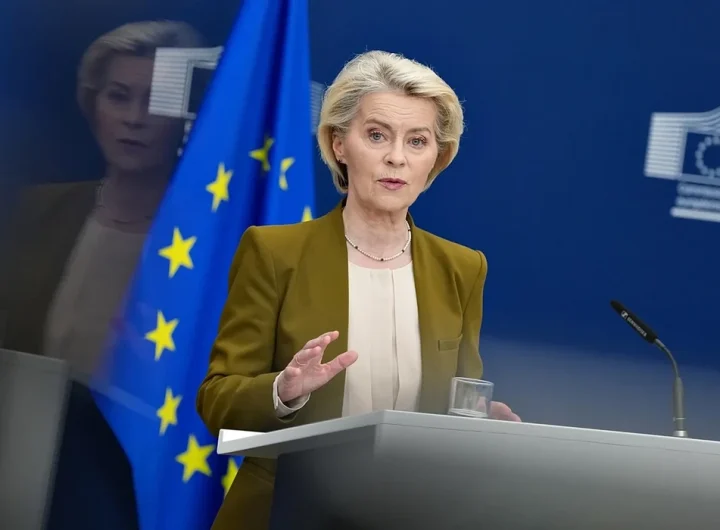 EU proposes new sanctions on Russian oil, 'shadow fleet', fishing and soldiers