
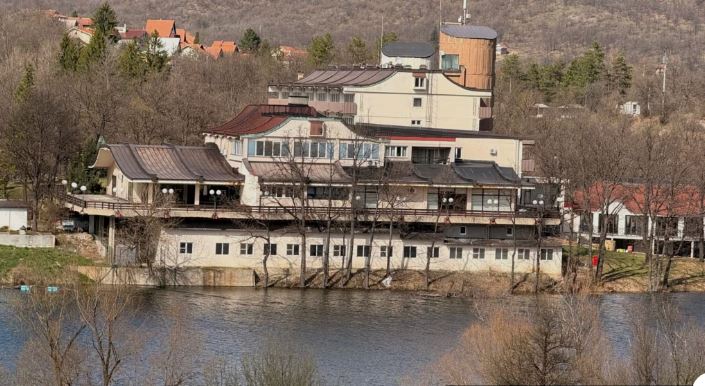
In the city of Bor, in eastern Serbia, the activity of the Chinese company Zijin Mining is being accompanied by large investments, but also by strong criticism for its impact on the environment and control over public assets.
According to an analysis by Radio Free Europe, the company owns or uses over 34 land plots in eastern Serbia, including mines, processing plants, as well as large areas of forests, agricultural land, and residential and commercial buildings.
A significant portion of these assets were acquired after the privatization of the former state-owned RTB Bor complex, where the Serbian state held only a portion of the shares.
Meanwhile, in addition to expanding mining operations, Zijin Mining has also invested in the tourism sector, including the reconstruction of the "Jezero" hotel near Lake Bor and the management of other hotel facilities.
These investments, according to critics, are seen as an attempt to improve the company's image in the face of pollution accusations.
Local activists, such as Jasna Tomić and engineer Dejan Lazar, describe these investments as "buying social peace," arguing that the real benefits to the community are limited compared to the company's profits.
They also demand a review of agreements with the state, claiming that assets of public interest have been transferred unfavorably.
On the other hand, authorities in Belgrade and the company itself have not provided answers to questions regarding contracts and asset management.
Despite the criticism, Zijin Mining's economic impact is evident. The budget of the city of Bor has increased significantly, while the company claims to contribute through taxes, royalties and direct investments. However, Serbia remains among the countries with the lowest royalties in Europe.
Local residents are divided in their opinions. Some appreciate the increase in living standards and investments in infrastructure, while others express concerns about air pollution and the loss of fertile land.
The expansion of the Chinese company's activity is closely linked to the strategic relations between Serbia and China, which leaders Aleksandar Vučić and Xi Jinping have described as "iron friendship".
In this context, Serbia is also included in the Chinese global initiative "One Belt, One Road".
According to financial data, Zijin Mining has generated profits of over 1.1 billion euros in 2025, while its subsidiaries in Serbia rank among the country's largest exporters, mainly thanks to copper exports to China.
The Geopost
 Kosovo: There are encouraging developments regarding the five states that do not recognize Kosovo
 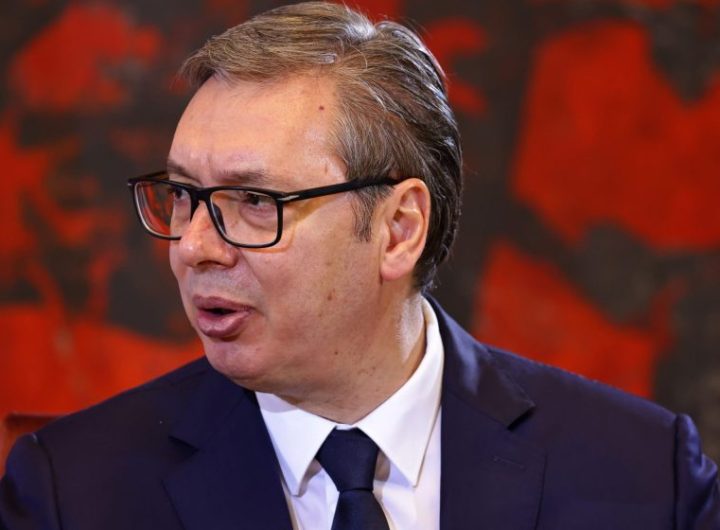 Concerns over the situation in Serbia, Kosovo: EU to freeze 1.5 billion euros in funds
 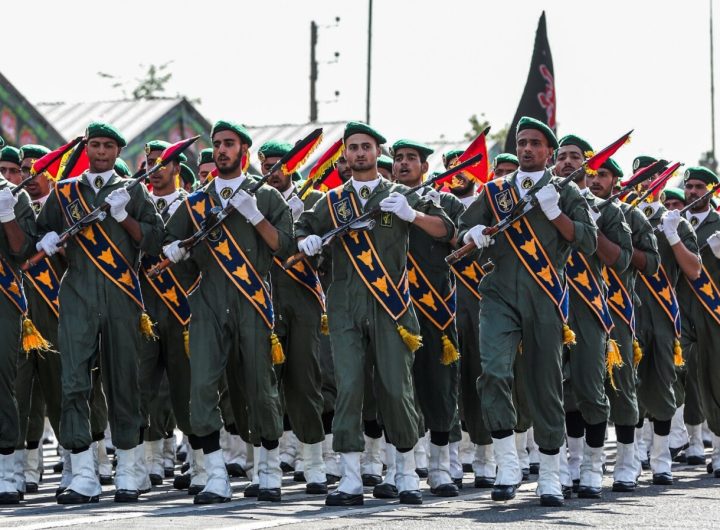 Kosovo declares Iran's Islamic Revolutionary Guard Corps a terrorist organization
 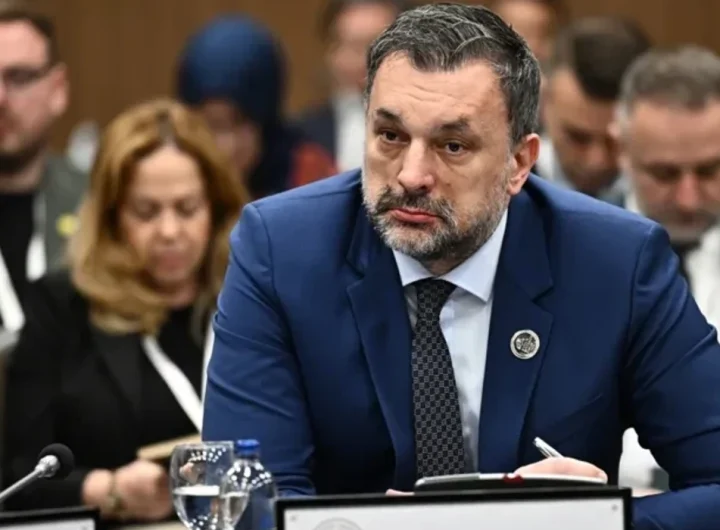 Bosnian Foreign Minister Strongly Criticizes Serbia: You Are Hiding Criminals
  Lego-style propaganda video: From Iran's anti-American narrative to influence in the Balkans
  Hoxha-Djuric with fundamentally different positions on Kosovo, Albania opens consulate in Bujanovac