
Without yet officially taking power, the Student List, which won the elections promising to fight corruption and free institutions from political influence, is facing a development that could determine the seriousness of its promises. Prosecutors have begun reopening unsolved cases, while among those arrested are about 20 police officers, including senior leaders of security structures.
However, beyond the arrests so far, a much more politically sensitive question remains: will the investigations also extend to cases where there are suspected links between state structures, security, and people close to Aleksandar Vučić? In this context, the Banjska case and the role of Milan Radoić constitute one of the most important tests for Serbian justice.
Institutions that began to operate after the defeat of the SNS
The first two weeks after the elections in Serbia were characterized by a wave of arrests on suspicion of corruption, abuse of official position, election manipulation, and violence against students.
One of the most important cases is the arrest of Marko Kričak, former head of the Unit for the Security of Designated Persons and Objects, and nine other members of this structure, suspected of mistreatment and torture of students and citizens in the garage of the Serbian Government building, on August 14, 2025.
The students had reported physical violence and threats during their detention following anti-government protests. The prosecution has stated that it had faced obstacles from police and state institutions during the investigation, including the failure to hand over security camera footage from the garage.
According to the prosecution, the responsible institutions had waited until the 30-day deadline for automatically storing the recordings had passed, even though the footage had been requested only six days after the event.
Another case under investigation concerns the death of Dalibor Dragijević, who died on 7 April 2024, while in police custody in Bor. Eight Criminal Police officers have been arrested on suspicion of ill-treatment and torture. The prosecution had previously issued arrest warrants for the suspects, but they were not executed by the Internal Control Sector of the Ministry of Interior.
These cases have highlighted not only suspicions of illegal actions by officials, but also the functioning of an institutional mechanism that, according to prosecutors' claims, had obstructed investigations.
Senior Public Prosecutor, Goran Illić, stated that the obstacles have come from the police, prosecutors and courts, adding that some cases have been kept in drawers, even though they could have been processed.
For this reason, two days after the elections, the High Public Prosecutor's Office formed a five-member commission to review the work of all 87 prosecutors' offices in Serbia.
Chief Prosecutor Zagorka Dollovac also stated that after the elections, political and institutional obstacles that had previously hindered the work of prosecutors' offices have been removed.
But if institutions have begun investigating officials suspected of violence against students and corruption, the greatest proof of their independence will be how they handle cases that directly affect the interests of the former government.
Banjska: The case that has not yet reached an epilogue in Serbia
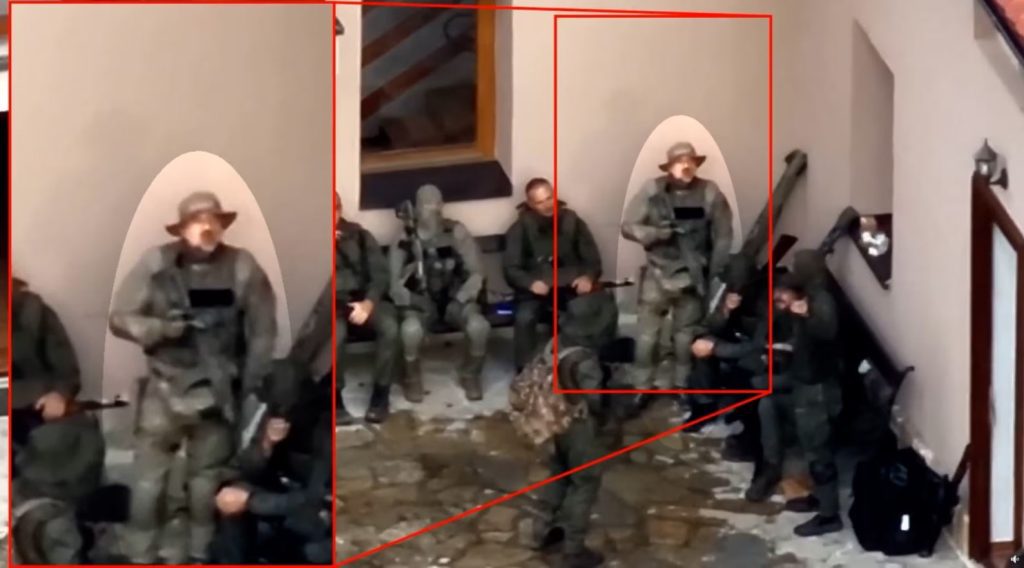
One of these cases is the armed attack in Banjska, Zvečan, on September 24, 2023, where Kosovo policeman Afrim Bunjaku was killed, while three members of the Serbian armed group were also killed during the clash.
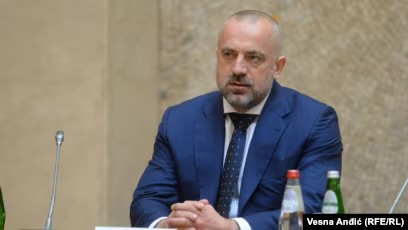
Milan Radoićić, then deputy leader of the Serbian List, claimed responsibility for organizing the armed group that carried out the attack. However, despite the gravity of the case and his admission, no indictment has yet been filed against him in Serbia.
The High Public Prosecutor's Office in Belgrade has confirmed that the investigation against Radoicic is continuing. The investigation is related to suspicions of organizing a criminal group, illegal production, possession and trafficking of weapons and explosives, as well as serious crimes against public security.
However, a detail that makes this issue even more sensitive is the fact that prosecutor Nenad Stefanović had warned that the indictment would be filed at the end of 2024 or the beginning of 2025. This did not happen and so far it has not been announced what the investigation has specifically determined.
Meanwhile, Radoicic has not been held in custody after his interrogation in Belgrade. He has been ordered to surrender his passport, be banned from leaving Serbia without court permission, and report regularly to the police.
The issue took on another political dimension when Radoićić appeared at the SNS pre-election rally in Kragujevac, during Aleksandar Vučić's campaign. His presence at an event for the then-ruling party, while the Banjska investigation was ongoing, raised questions about his relations with political structures in Serbia.
In fact, on October 31, a commission of the High Public Prosecutor's Office began examining the circumstances as to why Radoić was not remanded in custody after his interrogation in 2023.
The commission's attention, according to this report, was also focused on the decision of the then prosecutor, Nikola Pantelic, who had requested detention based solely on the risk of flight, without including other circumstances that could justify such a measure.
This development is particularly important, because it shows that not only the responsibility of the person suspected of organizing the attack is now being examined, but also the way Serbian institutions have handled the case from the beginning.
Will the responsibility of state structures also be investigated?
The Banjska case is not limited to the criminal responsibility of Radoićić and members of the armed group. For Kosovo, this attack constitutes a terrorist act and its institutions have repeatedly claimed that it was planned, financed and organized with the involvement of the Serbian state.
Belgrade, on the other hand, has denied any knowledge of the presence of Radoicic and the armed group in Kosovo. Vučić, on several occasions, has described Radoicic not as a criminal, but as a person fighting for the rights of Serbs in Kosovo.
This is precisely where one of the biggest challenges for Serbia's institutions after the change of power lies. If new investigations are limited to police and administrative officials, while avoiding cases that could lead to the highest political and security levels, then the promise of freeing the judiciary from political influence will remain unfulfilled.
Moreover, the Banjska case also has an international dimension. The international community has repeatedly demanded that those responsible for the attack be brought to justice. The lack of an indictment in Serbia, more than three years after the event, has remained one of the unresolved issues in relations between Belgrade and Pristina.
The real test for the new government
The Student List has built an important part of its political platform on the fight against corruption, crime and impunity. But a change of power does not automatically mean a change in the way institutions function.
The first arrests are an important development, but the number of people detained is not the final measure of justice. The outcome will depend on the filing of indictments, the development of independent trials, and final judicial decisions.
At the same time, it remains to be seen whether the investigations will also affect officials who have had an influence on how sensitive cases were handled during the 14 years of SNS rule.
If the new commissions will also examine the responsibility of prosecutors and officials who have obstructed the procedures, then the Banjska case will be one of the cases where this approach can be tested in practice.
For Kosovo, the question is even more concrete: will Serbia move from a formal investigation against Milan Radoicic to a real judicial process, which will determine his responsibility and that of other persons involved in the armed attack?
The answer will show whether the SNS's removal from power will only bring about a change of people in Serbian institutions or even a real break from the system of impunity that has accompanied Vučić's rule.
The GeoPost
 Joseph's warning: Vučić's apparatus could undermine Serbia's stability
 Kandic nominates Kamber for the post of Deputy Speaker of the Serbian Parliament
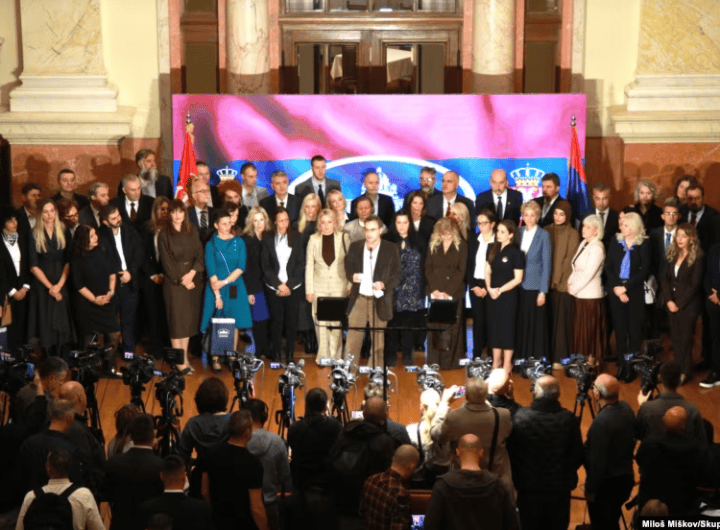 Student List aims to review agreements with Kosovo, EU says Serbia must implement them
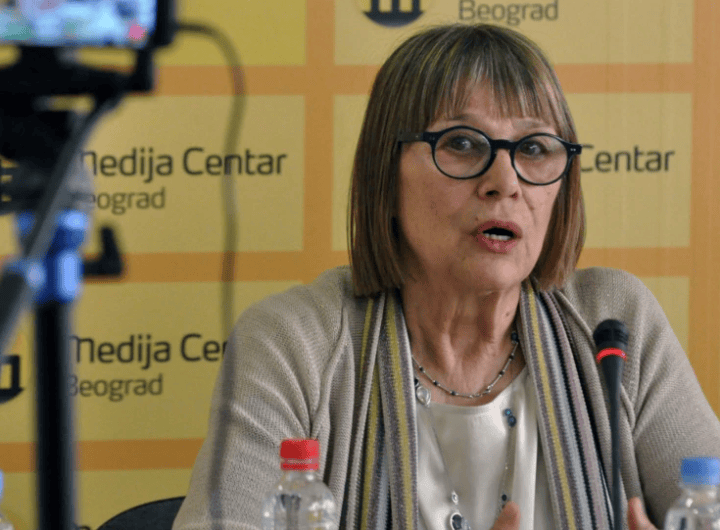 Natasha Kandic questions the credibility of the National Convention for the EU after the scandal of the nationalist melody against Kosovo
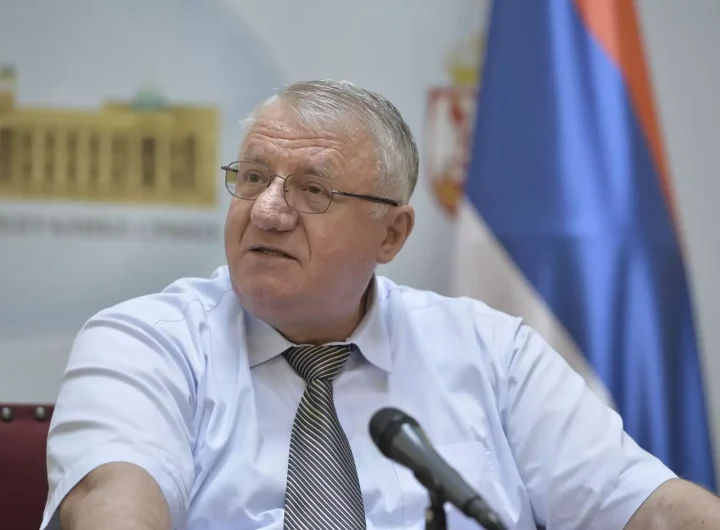 What does Seselj know about the murder of Oliver Ivanovic in northern Kosovo?
 Serbian police do not clarify whether Radoićić crossed the border